

If you are new to caravanning, you may wonder what the different pitch types are and what you are likely to find when you arrive at a caravan site. If you’ve not been caravanning before, you may have little idea what to expect.
This brief blog is intended to help by filling in the details about some of the most common arrangements that may be available.
Understanding the different types of caravan pitches
You have chosen your touring site with care, but the pitch you choose can be almost as important as the location of the site itself – especially during inclement weather or if you are planning to spend a lot of time in and around the caravan while you are there.
Choosing the right pitch can make a noticeable difference to comfort, convenience and the practicalities of setting up on site. Touring parks across the UK typically offer several pitch formats, each designed to suit different caravan sizes, connection needs and travel styles.
While terminology can vary slightly between operators, most sites group pitches according to the services available and the surface provided.
Grass pitches
Grass pitches are among the most traditional options available and are often found on smaller or more rural caravan sites.
They typically provide a simple marked space without permanent services, meaning caravanners rely on shared facilities such as site toilet blocks, water points and waste disposal areas. Many touring enthusiasts enjoy grass pitches for their quieter atmosphere and flexibility of layout.
However, weather conditions can influence usability. Extended rainfall may make manoeuvring more difficult, particularly for heavier caravans or vehicles without four-wheel drive.
Hardstanding pitches
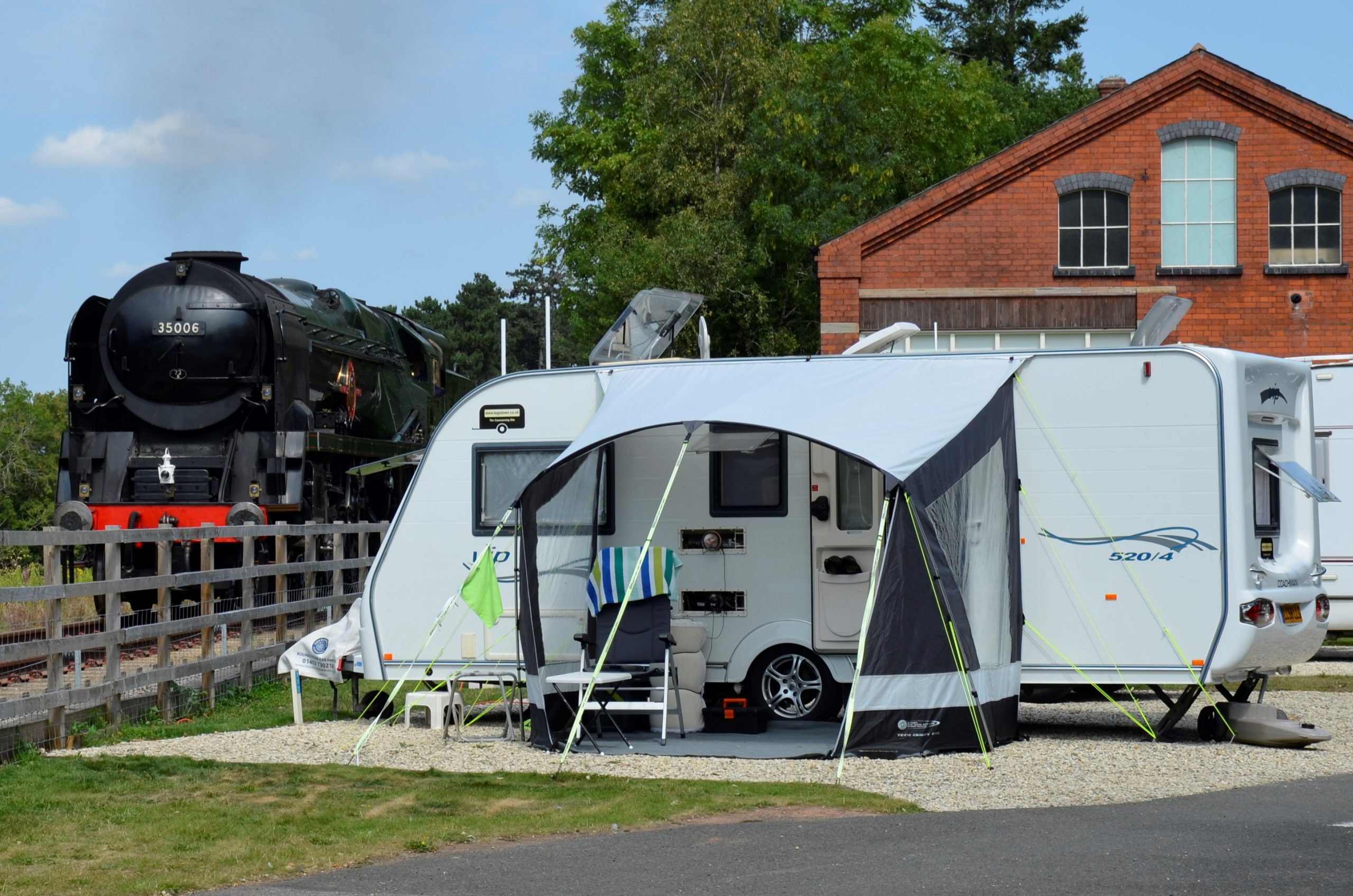
Hardstanding pitches are surfaced using gravel, stone or reinforced materials designed to provide a firm and stable base.
They are generally suitable for year-round touring and can be particularly helpful during wetter seasons when grass areas may become soft underfoot. Many caravan owners prefer hardstanding pitches for their reliability when positioning the caravan and awning.
Depending on the site layout, these pitches may still require access to shared service points rather than offering direct connections.
Electric hook-up pitches
Electric hook-up pitches include access to a mains electricity supply via a connection point located beside the pitch.
This allows the use of onboard lighting, heating systems, refrigerators and charging equipment without relying entirely on the caravan’s leisure battery. Hook-up capacity can vary between sites, so it is usually sensible to check the amperage provided before arrival.
Electric hook-ups are now widely available and are often considered a standard feature on many touring parks.
Fully serviced pitches
Fully serviced pitches provide a higher level of convenience by offering direct access to electricity, fresh water and drainage connections at the pitch itself.
This arrangement can reduce the need to carry water containers across the site and may make longer stays more comfortable. Fully serviced pitches are commonly selected by caravanners who travel frequently or prefer a more self-contained touring setup.
Availability varies between parks, and these pitches are sometimes positioned within premium areas of a site.
Super pitches or premium pitches
Some caravan parks describe their largest or best-equipped spaces as super pitches or premium pitches.
These may combine hardstanding surfaces with electric hook-up, water supply and drainage, along with additional space for awnings, vehicles or outdoor seating. In certain locations, enhanced landscaping or improved privacy spacing may also be included.
The exact specification varies by site, so it is worth reviewing the facilities list when booking.
Choosing the most suitable pitch
Selecting the right pitch usually depends on how often you tour, the time of year you travel and the level of convenience you prefer while on site.
Short stays may work well on standard hook-up pitches, while extended visits are sometimes easier to manage on fully serviced options. Weather conditions, caravan size and onboard equipment can also influence which pitch type is most practical.
As you can see, therefore, caravan pitches may come in all shapes and sizes, offering a range of facilities from the simplest open patch of grass to those on hardstanding and connections to all manner of services. Checking pitch descriptions in advance can help ensure the facilities available match your touring plans and expectations.
Higher-specification pitches may offer additional convenience, so it is worth choosing the type most suited to your needs when making a booking.
Information is provided for general guidance only. Facilities, pitch types and services vary between caravan parks and operators. Always check the details provided by the site before booking.