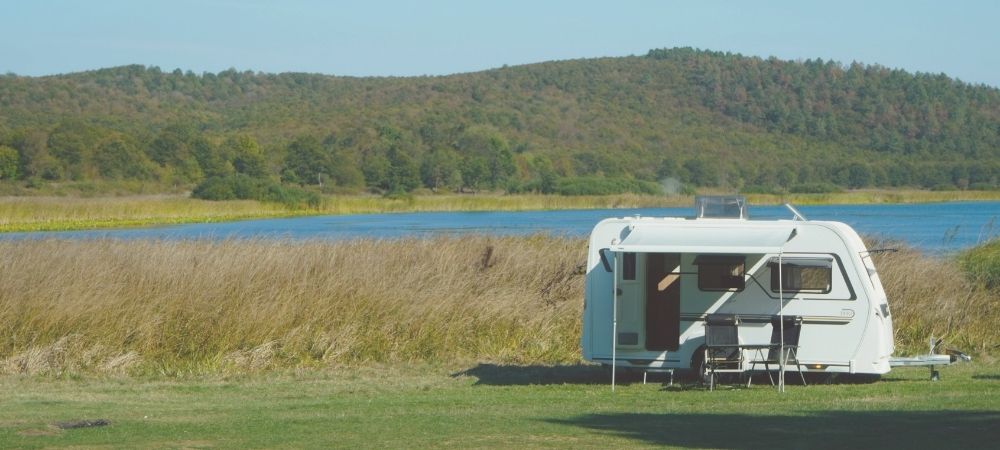
If you are just about to buy, or have just bought, your first caravan, you may have all sorts of expectations about the pleasure it is about to bring – not least:
- the freedom of the open road;
- knowing that wherever you pitch up, your second home on wheels is there to give you a good night’s sleep and many of the comforts of home; and
- the chance to meet like-minded friends and establish long-term contacts to help you get the most out of your caravanning holidays.
If you are just such a newbie, it might be helpful to share a few initial thoughts on making the most of the adventure opening up to you. This guide focuses on touring caravans, which you tow behind a vehicle, rather than static caravans.
The caravan you choose
There’s little doubt you’ll have discovered that there are many types of caravans from which to choose. Each might be better equipped to serve a particular purpose, including:
- conventional single-axle touring caravans, with layouts and berths to suit couples or families;
- larger twin-axle caravans, which may offer extra living space but require particular attention to towing weights and manoeuvring;
- small teardrop caravans, designed for simpler trips and a compact towing set-up; and
- pop-up, folding or lightweight caravans, which can be easier to store but may have fewer facilities.
Many conventional touring caravans offer home comforts such as a toilet, washroom, kitchen and comfortable sleeping arrangements. When comparing models, think about where you will store the caravan, how often you will travel and whether you will mainly use serviced pitches.
If buying used, ask to see servicing and damp-check records, inspect seals and soft furnishings, and check the caravan identification number against the paperwork. Consider an independent pre-purchase inspection, particularly if you are new to caravanning.
Its layout
When choosing your caravan, one of the most important considerations is likely to be the space and layout it offers. Although relatively small, modern caravans can make ingenious use of the available floor area.
Try the beds and seating, check storage with your usual luggage in mind, and consider whether you would prefer a fixed bed or one you make up each night. Think about access to the washroom when the beds are in use, as well as where coats, shoes and wet-weather gear will go.
Insurance
While your car insurance may provide third-party liability protection when towing a caravan, the extent of that cover depends on the motor policy. It should not be assumed to insure the caravan itself against theft or accidental damage.
Whatever the size and shape of the caravan you have bought, it is worth considering suitable touring caravan insurance. Depending on the policy, cover may include accidental damage, theft, storm damage, contents, public liability and risks while the caravan is stored or used abroad. Check limits, exclusions, security requirements and whether equipment such as an awning is included.
If you are new to caravanning, choosing suitable cover may feel confusing. Cover4Caravans specialises in caravan insurance, so make sure the cover you consider reflects the value of your caravan, how and where it is stored, and how you plan to use it.
Cover4Caravans website – caravan insurance and guidance
Public liability insurance for caravan owners: why it matters
Towing: can your car pull your caravan?
For anyone browsing a beginner’s guide to caravans, one of the most important questions is likely to be the towing capacity of the vehicle you already have. This can be one of the more technical aspects of touring.
Check the car manufacturer’s maximum braked towing weight, gross train weight and tow-ball nose-weight limit. The caravan’s Mass in Running Order (MIRO) is an approximate weight in its standard running condition; the Maximum Technically Permissible Laden Mass (MTPLM) is the maximum permitted laden weight. Your loaded caravan must not exceed its MTPLM, and the towing combination must remain within the vehicle’s limits.
You should also check your driving licence entitlement. In Great Britain, drivers who obtained a car licence from 1 January 1997 generally have category BE entitlement allowing a trailer up to 3,500kg maximum authorised mass, subject to the towing vehicle’s limits. Different entitlements can apply to older licences, so check your own record rather than relying on a rule of thumb.
GOV.UK: towing with a car – licence entitlements and limits
A correctly fitted, type-approved tow bar may be required, and suitable towing mirrors are compulsory if the caravan is wider than the rear of your car. Your mirrors must give an adequate view behind. Check that the caravan’s brakes, lights, tyres, number plate and breakaway cable meet the applicable requirements.
GOV.UK: towing equipment and mirror requirements
On the road: your first caravan trip
With the homework and preparation done, you may be ready to hit the road. These tips can help your first excursion – and subsequent journeys – go smoothly and safely:
- when packing, distribute the load evenly, keep heavier items low and close to the axle(s), and secure loose belongings;
- before every outing, check tyre condition and pressures against the caravan manufacturer’s recommendations, including tyre age where relevant;
- check the hitch, stabiliser, lights, wheel fixings, brakes and breakaway cable in line with the manufacturer’s instructions;
- remember that cars towing caravans are generally limited to 50mph on single carriageways and 60mph on dual carriageways and motorways; built-up-area limits vary, including a default 20mph on many restricted roads in Wales, and signs may set different limits;
- check that neither the caravan’s MTPLM nor the car’s towing, train-weight and nose-weight limits are exceeded; a public weighbridge can help establish the actual loaded weight;
- allow extra room for corners, overtaking and braking, and avoid routes with unsuitable narrow lanes, height restrictions or tight access; and
- when choosing a pitch, look for level ground, consider the location of the amenity block and avoid hazards such as overhanging branches.
On motorways with three or more lanes, drivers towing caravans must not use the right-hand lane except where signs or directions permit. Take extra care in strong crosswinds and allow more time than you would for a journey without a caravan.
GOV.UK: current national speed limits
Before you leave: a first-trip checklist
A little preparation can prevent a small oversight from spoiling your first break. Before setting off:
- book a site that accepts touring caravans and check arrival times, pitch size and electric hook-up arrangements;
- practise reversing and manoeuvring somewhere safe before arriving at a busy campsite;
- check gas, electrical and water systems using the manufacturer’s instructions and arrange competent servicing where appropriate;
- pack levelling ramps, a wheel chock, suitable mains hook-up equipment, basic tools and weather-appropriate clothing; and
- make sure your caravan insurance, breakdown arrangements and emergency contact details are accessible.
- Further reading: Caravanning Checklist.
Frequently asked questions
Do I need separate insurance for a touring caravan?
Car insurance may provide limited third-party cover while towing, but it does not necessarily cover damage to, or theft of, the caravan. Separate caravan insurance is worth considering to protect the caravan and associated risks, subject to policy terms.
What do MIRO and MTPLM mean?
MIRO describes the caravan’s mass in its specified running condition. MTPLM is its maximum permitted laden mass. The difference helps indicate the payload available for personal belongings and equipment, although the manufacturer’s figures and loading guidance should always be checked.
Do I need towing mirrors?
Yes, if the caravan is wider than the rear of your car, you must fit suitable towing mirrors so that you have an adequate view behind.
Can I take my touring caravan abroad?
Often, yes, but check the rules for each country and your insurance arrangements. Caravans over 750kg must be registered before being towed to or through many European countries, with specified exceptions. Other documentation or insurance requirements may also apply.
GOV.UK: registering a trailer before towing abroad
Happy caravanning
With so much likely to be new and experience still to be gained, you might be forgiven for overlooking the overriding purpose of your purchase – namely to have fun, relax and enjoy yourself. Hopefully, this beginner’s guide to caravans has helped you prepare for that first adventure. Sooner than you think, you may count yourself among the old hands in the caravanning community.
Disclaimer: This article is for general information only. Towing rules, insurance terms and requirements may change or vary by jurisdiction and vehicle combination. Check current official guidance, your vehicle and caravan manuals, and your insurer’s policy wording before travelling.