

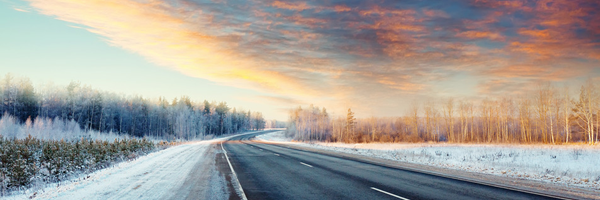
Winter might be creeping up upon us, but that’s no reason to abandon all thoughts of hitching up the caravan and taking a weekend – or longer – away from home. Caravans these days can be surprisingly cosy and warm, so that you remain snug and well insulated against winter’s chills.
Even so, as you prepare to make the most of milder breaks in the winter weather, a timely tip or two might help ensure that your outings run smoothly, comfortably, and without serious incident.
Open all hours – every day too
- there are plenty of camping and caravan sites open all year round. The Caravan and Motorhome Club publishes a regularly updated list of open-all-year campsites, while the Camping and Caravanning Club offers advice on winter touring. Check opening dates, winter facilities and pitch availability before travelling – off-season breaks can be particularly peaceful;
Time your arrival
- a fairly obvious reminder from the Caravan and Motorhome Club is how dark – really dark – it gets in wintertime. Plan your journey to arrive in daylight, allowing extra time for poor visibility, slower traffic and unexpected delays. Check the site’s latest arrival time before setting off;
Get organised
- along a similar theme, organise your evening routines so that, once you’re onsite, you get all the essentials done before it gets dark. Will there be enough gas for breakfast in the morning? Are water tanks replenished? Will the toilet need emptying? Keep a torch or headtorch handy for jobs after dusk;
Hardy essentials
- even though you’re checking regularly, a cold snap can freeze the available water supplies. You’ll be glad of emergency reserves of fresh drinking water stored in a suitable container inside the caravan. Check site tap availability and protect external hoses where possible;
Heat …
- as temperatures drop, your thoughts will have turned to ways not just of heating your caravan but of keeping the heat in;
- efficient insulation is the answer, of course. Suitable removable thermal screens, draught excluders and insulated window coverings can help retain warmth. Only use accessories intended for your caravan, and never cover essential ventilation openings;
- cheaper methods include checking window and door seals for draughts and closing curtains or thermal blinds at night. Open them during sunny winter days to make the most of natural warmth, provided this does not create excessive condensation;
… ventilation
- on no account should you close or block ventilation ports in a misguided attempt to conserve heat;
- the vents are essential for safe appliance operation and reducing condensation – a particular problem for caravans when it is cold outside and warm inside. Use the caravan’s heating and ventilation as instructed, wipe away moisture and avoid drying wet clothing in an unventilated space;
Gas – butane or propane?
- many caravans use bottled LPG for cooking and heating, but it is important to check which gas and regulator your particular appliances require;
- at lower temperatures, propane is generally the more reliable option because it continues to vaporise in freezing conditions, whereas butane can struggle as temperatures approach zero. The Camping and Caravanning Club explains the difference in its winter touring advice;
- if you are thinking of switching, check the caravan manufacturer’s instructions and make sure the correct regulator and compatible equipment are fitted. Have any necessary work carried out by a suitably qualified professional. Keep gas cylinders secured upright in the designated locker;
Pack wise
- when you’re preparing for a winter break, it’s more important than ever that you pack wisely;
- don’t take too much – are you really going to be using that barbeque when there’s ice on the ground – but make sure to take more than enough of things such as warm clothing, coats, scarf, hats, socks, or even a pair of long johns;
- extra blankets will go down well, and you might want to check the tog rating of your duvet – investing in a warmer one if necessary;
Avoid the freeze
- when there’s any chance of freezing weather, one of the last things you’ll want is for wastewater pipes to freeze. Keep waste pipes as short and well drained as possible, and empty the waste container regularly. Follow the caravan manufacturer’s winter-use instructions before adding any treatment: ordinary automotive antifreeze must not be used indiscriminately in caravan water systems;
Step it up
- ice on an external caravan step can make getting in and out hazardous. Use a stable, purpose-made step with a non-slip surface and clear away ice or snow before use. Do not put antifreeze on steps: it may leave a slippery residue and can be harmful to pets and the environment;
- alternatively, where practical, bring a portable step inside overnight so it stays dry and free of frost;
Pack a punch … or two
- you’ll be relying on your battery system to keep the electrics running throughout your winter adventures, so make sure you leave home with the leisure battery properly charged and in good condition. Cold weather can reduce available battery performance;
- even so, you might want to consider a suitable backup power arrangement if you will be without electric hook-up. Check your caravan’s electrical system and charging equipment, and never use portable generators or fuel-burning heaters inside the caravan;
Modern caravans tend to be designed for a range of weather conditions, so continue to make the most of yours even while the days shorten and temperatures fall. With a little preparation, the occasional winter outing can be comfortable, relaxing and a welcome reminder of the warmer days to come.
Check the forecast and the roads
- check the Met Office forecast and any weather warnings for both your route and destination. Frost, strong winds and snow can make towing difficult, and exposed campsites may be much colder than nearby towns;
- check National Highways traffic updates or the relevant devolved nation’s road information before leaving. If severe weather is forecast, consider postponing the journey rather than risking difficult towing conditions;
Tyres, towing and the pitch
- before setting off, check tyre pressures when cold, tread depth, wheel condition, lights, brakes and towing connections. Inspect the caravan tyres for age-related deterioration, even if they have plenty of tread;
- choose a firm, level pitch where possible. Hardstanding may be easier to use in wet or freezing conditions, but always follow the site’s instructions about where to park and how to secure the caravan;
Keep safe and warm
- test smoke and carbon monoxide alarms before travelling and make sure the heating system has been serviced as recommended. Never use a barbecue, camping stove or other outdoor combustion appliance to heat the caravan;
- pack waterproof footwear, gloves, a first-aid kit, phone charger, torch and a supply of food and drinking water in case the weather disrupts your plans. Keep emergency contact details and your site booking information accessible.
Winter caravanning can be a great way to enjoy quieter sites and a change of scenery, provided you’re prepared for colder weather and shorter days. Our tips cover everything from planning your journey and keeping your caravan warm and well ventilated to protecting water systems from freezing, checking gas supplies and staying safe on the road. With a little preparation, you can enjoy a comfortable winter break whatever the season brings.