The status of the caravan industry now and for 2023
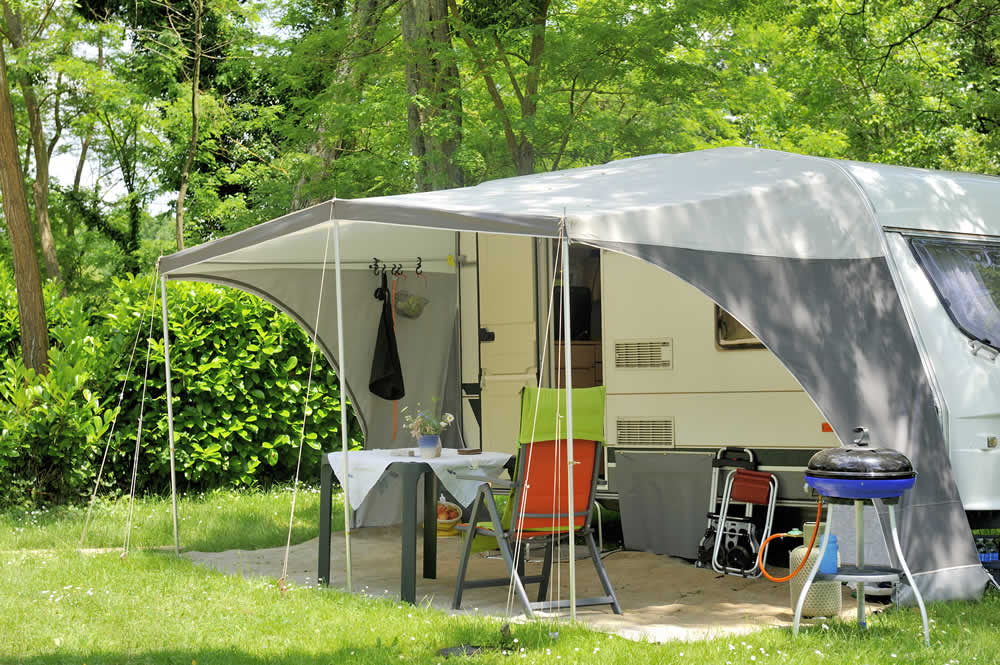
Thanks to successive rounds of lockdown during the coronavirus pandemic and the foreign travel restrictions that followed, the caravan industry in the UK has benefitted from unprecedented levels of demand.
Hot on the heels of the recovery from the pandemic, the British economy has now been hit by inflation and a serious challenge to the cost of living. This continues to fuel the popularity of the staycation. Coupled with the freedom and affordability of holidays in a caravan this has produced a welcome boost for this sector of the leisure industry.
Demand
In a posting on the 28th of April 2022, Farmers Weekly magazine referenced figures showing that campsite bookings for touring caravans, motorhomes, and tents had risen by a further 40% this year compared with last year, which had itself seen a whopping 96% increase on bookings taken in 2020.
In a preview of the Holiday Park and Resort Innovation exhibition at Birmingham’s NEC from the 2nd to the 3rd of November, still further encouraging statistics on the state of the UK’s caravan industry were released:
- an estimated 755,000 touring caravans and motorhomes are regularly in use in the UK;
- that total is forecast to increase to 889,466 such recreational vehicles by 2030 – an increase of some 18% in just the next seven years;
- underlining the popularity of the staycation, the research revealed that 75% of those keen to tour with their caravan wanted to do so within the UK;
- the expenditure on touring holidays in the UK has already peaked at £2.6 billion but is predicted to rise still further to £3.6 billion within the next seven years;
- the number of trips made by touring caravans and motorhomes stood at just 15.59 million five years ago but is forecast to grow by some 6% – or one million extra trips – to a total of 16.56 million by 2030.
Given this surge in the popularity of staycations centred on a caravan or motorhome of one type or another, it is hardly surprising that sales of these leisure vehicles have also shot up. According to a posting on the Van Life Matters website on the 31st of May 2022, new buyers tend to be younger and include those for whom a caravan offers the chance to work while in the move away from home. Thanks to such interest in new and preloved leisure vehicles:
- sales of touring caravans have increased by 23.5% compared with the previous years – to a total of 17,639 trailers sold during the year;
- motorhomes and sales of campervans and motorhomes have increased by 12% – to reach a total of 14,074 vehicles sold; and
- an increase of 38% to a total of 19,624 holiday homes or static caravans sold during 2021.
Supply
Although soaring demand has fuelled an increase in the supply of caravans and motorhomes for sale, at least one commentator – writing in the Caravan Times on the 20th of December 2021 – believed that the figures could have been even more impressive but for some of the problems facing manufacturers of such leisure vehicles.
Manufacturers of caravans, motorhomes, and campervans – just like manufacturers in practically every other sector – are beset by supply chain problems which add significant delays and costs for the acquisition of essential materials, supplies, and components.
In a prevailing economic climate where the value of the pound sterling is sinking fast against many other currencies, the cost of imported materials and components has also risen – so, adding to manufacturers’ costs.
Manufacturing – and other sectors of the economy are also facing labour shortages. An article by People Management on the 15th of August 2022 attributes the shortages to a combination of factors such as the disruption caused by the pandemic, a shortage of labour globally, increases in early retirement, and the repercussions of Brexit.
Summary
There is little doubt that the burgeoning demand for caravans spells a rosy future for the industry both now and well into 2023. Whether the most can be made of these positive forces, however, also depends on the capacity for supply to keep up with demand.
Top tips on buying a static caravan
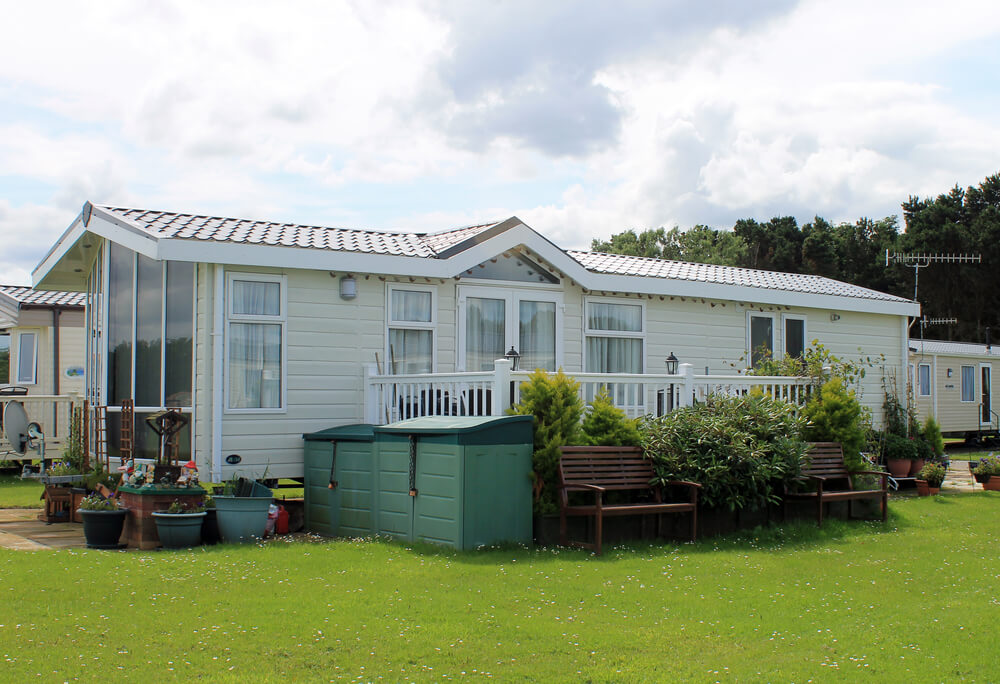
In the UK, there are an estimated 365,000 caravan holiday homes, according to a pamphlet published by resort owners Park Link and the parks and campsite industry contributes more than £6 billion annually to the UK economy.
Two years of Covid travel restrictions also gave a mighty boost to staycations in the UK.
A static caravan – or holiday caravan home as it’s probably more widely known these days – can be your very own home away from home. It can also offer an attractive destination for breaks for you, your family, and your friends. Plus, you may also have paying guests too, so enjoy income which can help with the running and maintenance costs.
It’s enough to tempt you into buying a static caravan! So, if you are thinking about such a purchase, what do you need to consider? Here we have put together some tips on what you need to think about, as well as answering some FAQS about holiday park caravan ownership …
Is buying a static caravan a good investment?
What makes a good investment? If you are asking yourself whether static caravans or holiday homes hold their value, then it might be worth thinking about some of the basics of asset ownership. Most things we purchase in life will reduce in value as they age. That is a process called depreciation. The rate of depreciation will vary depending upon many factors including:
- what the item is;
- it’s make/model/age/rarity;
- how well you have looked after and maintained it; and
- where it is located – including the feasibility and cost of moving it.
There are some exceptions of course, including certain rare luxury vehicles, some antiques and perhaps most notably, property. Even in those cases though, their basic values might decrease as well as increase, subject to the unpredictable nature of market demand.
Static caravans are no exception. If you consider the word investment to mean that something will be worth more when you dispose of it than it was when you acquired it, then that might not be guaranteed with a static caravan.
There are two important points to make here though:
- a static might prove to be an excellent investment when measured by its massive impact on the expansion of your leisure opportunities and, therefore, your quality of life; and
- maintenance and TLC won’t, by itself, avoid the depreciation in value of your caravan but it might slow it down – slightly. Not everyone agrees with that, but it seems intuitive that a well-maintained static in good order is likely to command a higher price than one in poor condition.
How long will a static caravan last?
Once again, there is no hard-and-fast answer to this question. Many sites and associations quote very different figures ranging from 10-15 up to 20-30 years.
Much will depend upon the age and condition of the holiday home when you bought it, whether it is a quality build, and how seriously you take the need for regular maintenance.
Note that irrespective of condition, some sites may have specific clauses limiting the maximum age of caravans to 10, 15 or 20 years. Once your static caravan is older than the prescribed maximum, the site owners may have a legal right to ask you to remove it, even if many do not exercise that right.
Choosing the most suitable location and holiday park for you – what do you need to consider?
It’s where you’ll be looking to return to again and again – for all those holidays, breaks, and escapes that bring you such joy. Choosing the most appropriate location and holiday park is imperative:
Location
- unless you plan to use your caravan perhaps only once or twice each year, you may wish to make sure that the caravan holiday park is within sensible commuting distance of your permanent home – so you can it more easily for fast getaway weekend breaks and the like;
- when choosing a holiday park location, remember that the choice of site may affect a host of other considerations, including the cost of your static caravan insurance, for example – sites with a history of flooding or which have security issues may result in you needing to spend more on your annual caravan insurance policy;
Facilities
- some holiday parks may be very rural, have few if any onsite facilities and, be a long way from things such as shops – so, if you like rural isolation that may be fine but not if you like having a shop or a pub, let’s say, within just a few minutes of where you are staying;
Budget
- remember it’s not just the price of buying your static caravan or holiday home – after you have completed the purchase (and allowed for legal fees and any other administrative expenses), you need to ensure you have enough money going forward;
- maintaining a caravan costs money, just as maintaining and running a house does;
- with that in mind, choose a holiday home that is safely within your budget, and which will leave you with some money left over to cope with maintenance, any site fees, and odd emergencies, plus allow for caravan insurance too;
Making the purchase
- if it is a private sale, ask the vendors why they have chosen to sell – even though anyone trying to sell a holiday home is hardly likely to say they find the site or the surrounding area unpleasant;
- nevertheless, pressing a little harder and getting into a discussion with them, may result in you spotting a few warning signs that suggest their reasons for the sale may be ones that you yourself might find to be issues in due course;
Inspecting the static caravan, its pitch, and its surroundings
- look closely at the caravan’s condition – a lot of this is common sense but if you are not familiar with statics, it might be advisable to take someone with you who is, so you can get them to check things such as the underneath, couplings, and for signs of significant corrosion around the trailer;
- walk and drive extensively around the area of the holiday park site – an animal silage farm a mile or two down the road might prove to be a significant issue for you at the height of summer when the wind is blowing in a certain direction;
- these are things you’ll want to discover in advance rather than afterwards;
- note the condition of your neighbours’ caravans – the one you are looking at might be in pristine condition but if others around are shabby and slightly run-down, it may tell you something about the nature of the holiday site and your probable outcomes for the future sale of the caravan if and when you need to; and, of course,
- what are the holiday park pitch fees?
Do I have to take the site owners’ static caravan insurance?
In almost all cases, the answer is likely to be no – in most cases you are typically under no such obligation to take their static caravans cover.
The site owners may have a right to:
- insist that you hold appropriate third-party liability cover insurance since this is part of their duty of care obligations to other site users – however, it is not the same thing as saying you must use their cover if you can find more suitable and cost-efficient cover of your own from another source;
- inspect your own insurance cover to confirm that it is active and appropriate – the site owners or management may ask to take a copy of your certificate and make a modest administrative charge for doing so.
There are a few very rare and unusual situations, linked to land ownership and deeds, where the owners might have a right to require you to purchase the insurance cover offered by them. These circumstances are uncommon and if you’re in any doubt, you should take advice.
Who can stay in my static caravan?
In theory, you can choose whoever you like – but there may be some limitations in terms of your site lease agreement. For instance, some might specifically ban or restrict:
- single-sex groups under a certain age (without older supervision);
- overnight stays by groups where the numbers exceed the caravan’s stated maximum berth capacity;
- the use of the caravan for commercial letting purposes (paying guests or tenants, in other words); and
- people with pets.
In some cases, you might also see limitations specified by your static caravan insurance policy. Exclusions might refer to aspects such as lettings or people bringing exotic or non-domesticated pets inside the holiday home.
Read your holiday park’s site agreement, lease, and static caravan insurance policy to see any applicable clauses.
Can static caravans be moved?
Technically, yes – it is not for nothing that they are called mobile homes – and they had to be moved originally to get them onto the site.
Usually moving your caravan is a process involving a large trailer – though some can be towed for limited distances if, for example, you’re changing your pitch on the same site.
By definition, though, they are primarily meant to be static. Always discuss a planned move with your insurance provider well in advance.
Can I live full-time in my caravan onsite?
That depends upon two things;
- whether your site is appropriately licensed by the local authority for permanent year-round occupation – most will not be and, therefore, you would be forbidden from doing so by local authority regulations;
- irrespective of the local council’s inclinations, some site owners are not interested in offering year-round occupancy – it might involve them in considerable extra costs for the provision of services even if the local authorities permit it.
Generally speaking, therefore, the answer is likely to be no – though there are some sites where it might be permissible.
Do you pay council tax if you live in a static caravan?
Static caravans on holiday sites are typically not designed for permanent, all-year-round occupation, so you will not be liable to pay council tax.
If you live in a park home, however – which is not on a holiday park but a residential park home site – you will be liable to pay council tax, as it is your permanent place of residence.
How can I tell before purchase whether a static has serious rust problems?
Some visible rust isn’t necessarily a sign of a pending catastrophe. Assuming it hasn’t penetrated deeply, it can be cleaned off and painted over in most situations.
If you see freshly painted areas of metal, it might or might not indicate potential problems. The trouble is, you don’t know if any rust underneath was eliminated correctly beforehand or whether it was just sprayed over for cosmetic effect.
Rusty holes, cracks and splits are a bad sign, as is flaking metal. If you don’t know how to tell the difference between surface and serious rust, you will probably want to get a full inspection of the static from someone who can.
Will I need a separate TV Licence for my holiday park caravan?
Possibly.
If your normal TV at home will be unused while you’re in your caravan, then you will not require a separate licence. However, if someone is using it while you’re using another TV in your holiday home then you will need a separate licence.
Note – that applies even if your caravan is connected to satellite TV.
Will the static caravan I’m considering own the land it stands on?
That would be extremely rare and most unlikely.
Typically, the site owners will own the land and you will essentially lease or rent a piece of it by way of a pitch, upon which your static will stand.
What right of redress do I have after purchase?
The law is relatively complex but in most respects, the principles of caveat emptor (buyer beware) apply. They’re slightly different if the static is new as opposed to second-hand.
For second-hand caravans, the seller and site owners must not materially misrepresent either the caravan or the terms and conditions under which it occupies the leased land. If, for example, after purchase, you discovered that the caravan had been misrepresented and was 5 years older than stated, then that might be a fraud and your rights for legal redress are likely to be strong.
By contrast, discovering that the caravan holiday home is much draughtier than you had been led to believe and, therefore, costs more to heat or that you hadn’t spotted major underside rust, might leave you with relatively few legal rights.
It’s important to be aware of and to protect your interests whenever you’re involved in the purchase of a static caravan holiday home – the support and advice of the relevant experts may be a help. Any assurances you may be given about the caravan’s condition you might want to agree and record in writing.
Can I do what I like to enhance my holiday caravan after buying it?
Broadly speaking, the answer will be yes, if it involves internal modifications such as configuration changes or the installation of new equipment and appliances.
Remember to notify your caravan insurance provider though if your proposed changes are anything other than cosmetic. If the modifications have increased the overall value of your static caravan, you will also want to increase the total sum insured.
For external modifications and changes, the position may be slightly more complicated and involve some discussion with your site owners. For example, adding a new extension which meant a more restricted view for a neighbour or overflowing your existing pitch, is almost certain to require their permission.
Generally, of course, common sense on the part of all the parties involved will apply.
How would you summarise the key points of buying a static caravan?
These will differ according to your specific individual requirements and circumstances. Generally, however:
- think carefully about just what it is that you want and be sure you understand the type of location, holiday park, and pitch that will deliver upon those aims;
- make the holiday park’s location your top priority – it’s easier to compromise on the precise specifications of your static caravan than its location;
- be cautious about riverside or coastal locations – be sure to check the flood risks;
- ensure your finances are clear in advance and reserve some disposable cash for coping with unexpected post-purchase expenses;
- don’t be swayed by visual impressions – get an expert to conduct a nuts-and-bolts advance inspection; and
- don’t view your holiday home as a purely financial investment – since it’s unlikely to be that – but it will typically bring you and your family many hours of joy and relaxation.
Further reading: Guide to buying a static home.
Disclaimer: Please note that this article is for general informational purposes only and is based on our current understanding of law and legislation – which may change. If you are unsure, please seek independent, professional advice for clarification on certain aspects of this blog.
European caravan laws, Hymer off-road camper, fines for abandoned caravan and other UK caravan news

The nights are drawing in, you may have put away your touring caravan until the new season next Spring, and now is the time to while away a relaxing hour or two catching up on any caravanning news you might have missed.
To help get you in the mood for doing just that, here are a few of our starters.
A reminder of European caravan laws
If you’re planning a trip to Europe any time soon, now is probably a good time to refresh your knowledge about the different laws you’re likely to encounter in different member states – you’ll not want to be caught out:
France
- ferry company DFDS reminds us that the earliest age at which you can drive in France is 18 (unlike the UK’s 17 years);
- both the car and the caravan you are towing must have UK stickers (no longer GB stickers) attached on the lefthand side of the registration plate;
- you’ll face a stiff fine (up to €1,500 or about £1,344) if your satnav alerts you to camera speed traps – make sure it doesn’t;
Germany
- the Caravan Times mentions the probably little-known requirement by the German authorities for you to have an inventory of any exceptional or valuable contents in your caravan;
- you must also carry all the usual documents, of course – passport, driving licence, insurance, and V5 logbook;
Italy
- there’s a minimum age of 18 for driving a car on a full licence – but mopeds can be ridden by those as young as 14;
- you’ll need to keep with you all the usual ID documents, logbook, and insurance certificate – though a “green card” has not been required since August 2021;
Spain
- Spain has also lifted the need for any green card – but you’ll still need to carry original insurance documents, of course;
- you can import and drive your vehicle in Spain for up to 6 months in any 12; and
- if your caravan or motorhome is longer than 12m, two short reflectors and one long one must be stuck to the rear.
Hymer launches exclusive off-road camper
If you want to own a motorhome, the shape of the future is Hymer – that’s the message from the launch at the end of August of the Hymer Venture S.
The vision that was first revealed at 2019’s Caravan Salon has now become reality, boasts the German manufacturer.
Plans for changes at popular Ingoldmells caravan park
Facilities at a popular caravan park on the Lincolnshire coast will benefit from a makeover and facelift during the coming winter months, according to a story by Lincolnshire Live on the 7th of October.
The main reception centre at Sealands Caravan Park has seen better days and – following the necessary planning approval – will be redeveloped into a single-storey, building, decorated in the company colours of green and light blue with white trim, incorporating an open-plan café and shop.
Resident fined for abandoning rubbish-filled caravan in street
East Suffolk Council has taken firm and punitive action against a Felixstowe resident who abandoned a touring caravan filled with rubbish and surrounded by other detritus on a local street. The owners had failed to remove it despite several formal requests.
A posting on the Council’s website on the 5th of October revealed that the errant resident was fined £2,000 for the offence.
Caravan shows for the next 6 months
Almost everyone who owns a caravan enjoys a good caravan show.
It is an ideal opportunity to get out and see some of the latest models and to exchange a little gossip with other owners. They’re also a great chance to see and tinker with some of the latest accessories and gadgets out there.
Finally, it’s amazing just how much you can learn at these shows. Even seasoned veteran caravan owners will often admit that they see and learn things that they didn’t previously know.
That’s why we are highlighting some of the bigger shows that are on the radar for the next six months. We hope you can get to at least one of them and that you enjoy yourself!
18th to 23rd October: The Motorhome and Caravan Show – NEC Birmingham
Just as you’ve begun to pack away the camping gear at the end of this year’s caravanning season, so the biggest show of them all kicks off at the NEC near Birmingham – where you’ll be among the lucky ones to get your first glimpse of all the new models and mountains of accessories for 2023.
If there’s one show you can’t afford to miss in the coming six months, the Motorhome and Caravan Show is it.
12th to 15th January 2023: Caravan, Motorhome, and Holiday Show – Manchester Central
If you’re based in the north of the country, this is likely to be one of the biggest attractions close to home.
Whether you’re interested in all the creature comforts of a big, 4-berth caravan or the latest innovations in the world of motorhomes. Or whether you’re after a more modest campervan or any kind of accessory from camping furniture to awnings, barbecues, or tents, the Caravan, Motorhome, and Holiday Show packs a powerful punch to open the New Year.
2nd to 5th February 2023: Scottish Caravan, Motorhome, and Holiday Show – SEC Glasgow
North of the border, it’s also an early start to the year of caravan shows.
The premier exhibition is once again likely to be the Scottish Caravan, Motorhome, and Holiday Show organised by partners that include the two major caravanning organisations, the Caravan and Motorhome Club and the Camping and Caravanning Club.
See all the makes and models of the new season’s caravans, motorhomes, and holiday homes – all in the warmth and comfort under the roof of the SEC in Glasgow.
24th to 26th March 2023: Go Explore, Farnborough International
This is probably the biggest exhibition of its type you’ll find in the south of England for the start of the new season.
Just drive down to this northeast corner of Hampshire – or it’s only around 35-55 minutes or so on the train from London – where you’ll find free parking and free admission for the kids, all under the expansive cover of the Farnborough International Exhibition & Conference Centre.
Quick tips
All of these shows are hugely popular and that – practically by definition – can mean some traffic delays in the local area, particularly first thing in the mornings and “going home time” in the evenings.
So, if you can, get there early.
It’s also worth noting that ticket entry prices can be more expensive if you arrive and pay on the day than if you book in advance. There are plenty of entry ticket options and prices on the internet. So, with a little research, you might be able to save yourself some money.
Finally, the catering at many of these events is very good but at peak times, it’s naturally under some degree of pressure and delays aren’t unknown. If you can vary your eating times a little or perhaps take some sort of picnic with you, it might help you to spend more time looking at all those wonderful new caravans and accessories!
Winter caravanning tips
Winter might be creeping up upon us, but that’s no reason to abandon all thoughts of hitching up the caravan and taking a weekend – or longer – away from home. Caravans these days can be surprisingly cosy and warm, so that you remain snug and well insulated against winter’s chills.
Even so, as you prepare to make the most of milder breaks in the winter weather, a timely tip or two might help ensure that your outings run smoothly, comfortably, and without serious incident.
Open all hours – every day too
- there is a growing number of camping and caravan sites open all the year around – both the Caravan and Motorhome Club and the Camping and Caravanning Club publish updated lists of those sites – and in these off-season months, you’re likely to find it even more peaceful and relaxing with fewer people around;
Time your arrival
- a fairly obvious reminder from the Caravan and Motorhome Club is how dark – really dark – it gets in the wintertime, so when you’re planning your trip because you’ve allowed plenty of time to arrive early instead of having to fumble around in the pitch black of night;
Get organised
- along a similar theme, organise your evening routines so that, once you’re onsite, you get all the essentials done before it gets dark – will there be enough gas for breakfast in the morning? Are water tanks replenished? Will the toilet need emptying before it gets too dark to see what you’re doing?
Hardy essentials
- even though you’re checking regularly, a cold snap can freeze the available water supplies and you’ll be glad of the emergency reserves of fresh water you’ve stored in a spare water carrier;
Heat …
- as temperatures drop, your thoughts will have turned to ways not just of heating your caravan but of keeping the heat in;
- efficient insulation is the answer, of course, and you can buy exterior cladding that is relatively inexpensive, easy to put up, and will help retain the heat;
- cheaper methods include sealing draughty windows – and anywhere else the wind seems to be blowing through – while leaving the curtains open during the day so that you get the benefit of every last ray of sunshine and close them at night to help prevent the heat from leaving through the windowpanes;
… ventilation
- on no account should you close or block ventilation ports in a misguided attempt to conserve heat;
- the vents are essential for reducing condensation – a particular problem for caravans but even more so when it’s cold outside and you’re trying to keep it warm on the inside;
Gas – butane or propane?
- the overwhelming majority of caravan owners use appliances fuelled by butane gas – mainly because it’s so readily available and typically cheaper than other fuels;
- at lower temperatures, however, propane gas has been shown to burn more efficiently, so you might want to consider switching the type of LPG you use;
- as the Camping and Caravanning Club warn, however, if you are thinking of switching, you will also need to make sure that you have the appropriate gas regulator installed in order to continue to use your appliances;
Pack wise
- when you’re preparing for a winter break, it’s more important than ever that you pack wisely;
- don’t take too much – are you really going to be using that barbeque when there’s ice on the ground – but make sure to take more than enough of things such as warm clothing, coats, scarf, hats, socks, or even a pair of long johns;
- extra blankets will go down well, and you might want to check the tog rating of your duvet – investing in a warmer one if necessary;
Avoid the freeze
- when there’s any chance of freezing weather, one of the last things you’ll want is for your wastewater pipes to freeze up – add some anti-freeze to prevent it (rather than the salt that some of your fellow caravanners might suggest but will contribute to corrosion);
Step it up
- while you have that canister of anti-freeze handy, consider wiping a few drops of the liquid across the metal of your step up into the caravan – it’ll help to prevent the ice from forming and leaving the step dangerous for the unwary early in the morning;
- alternatively, of course, you could always just remember to bring the steps inside at night;
Pack a punch … or two
- you’ll be relying on your battery system to keep the electrics running throughout your winter adventures, so make sure that you leave home with the battery fully charged;
- even so, you might want to pack an extra, standby battery in case the weather worsens, and you become still more reliant on that power source.
Modern caravans tend to be designed for all weathers – so continue to make the most of yours even while the days shorten, and the temperatures begin to fall. The occasional winter outing will provide some much-needed relief and provide a constant reminder of all those warm and sunny days that lie just around the corner come next Spring.