
Different camping and caravanning pitch types explained
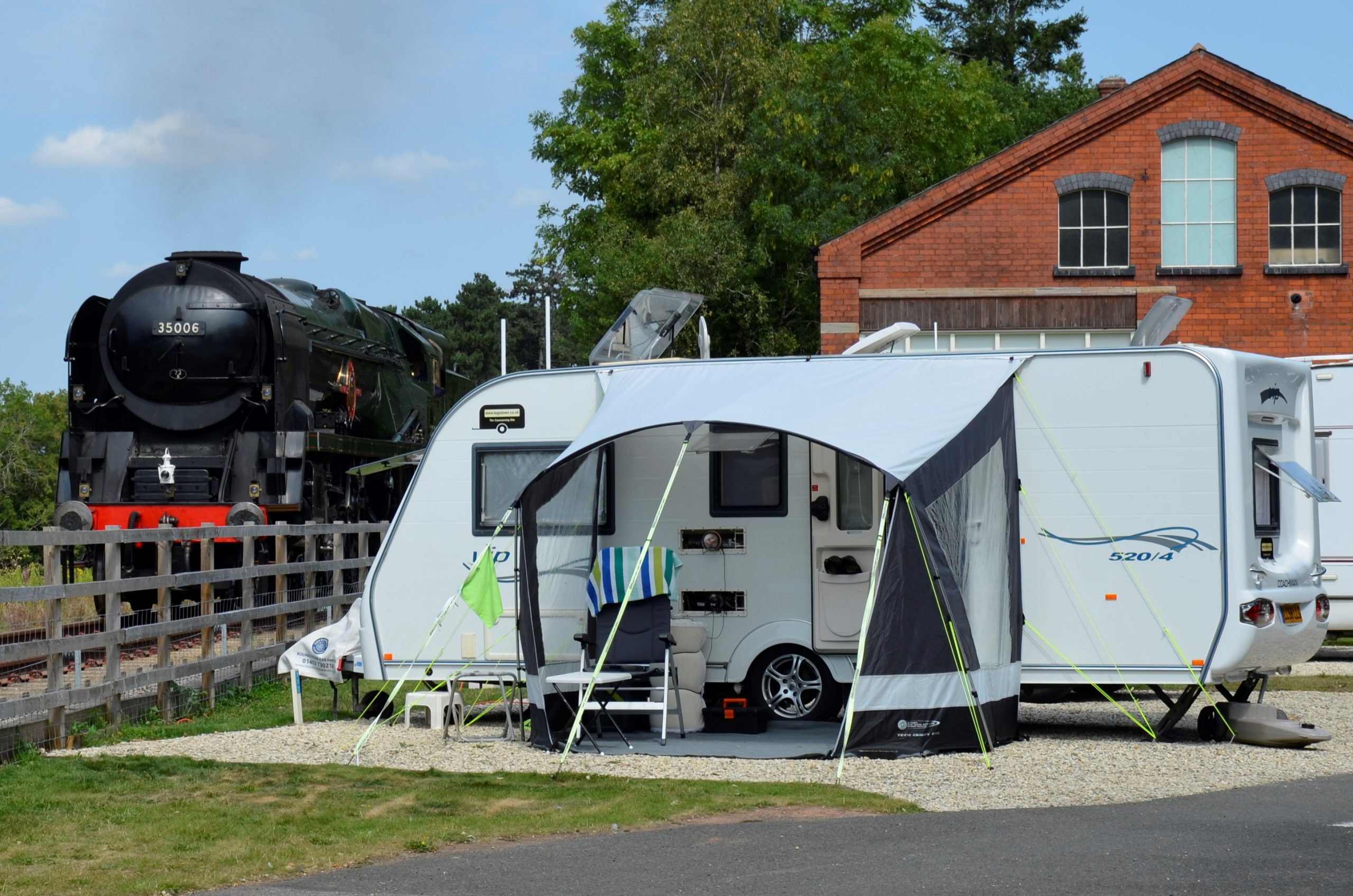
If you are new to caravanning, you may wonder what the different pitch types are and what you are likely to find when you arrive at a caravan site. If you’ve not been caravanning before, you may have little idea what to expect.
This brief blog is intended to help by filling in the details about some of the most common arrangements that may be available.
Understanding the different types of caravan pitches
You have chosen your touring site with care, but the pitch you choose can be almost as important as the location of the site itself – especially during inclement weather or if you are planning to spend a lot of time in and around the caravan while you are there.
Choosing the right pitch can make a noticeable difference to comfort, convenience and the practicalities of setting up on site. Touring parks across the UK typically offer several pitch formats, each designed to suit different caravan sizes, connection needs and travel styles.
While terminology can vary slightly between operators, most sites group pitches according to the services available and the surface provided.
Grass pitches
Grass pitches are among the most traditional options available and are often found on smaller or more rural caravan sites.
They typically provide a simple marked space without permanent services, meaning caravanners rely on shared facilities such as site toilet blocks, water points and waste disposal areas. Many touring enthusiasts enjoy grass pitches for their quieter atmosphere and flexibility of layout.
However, weather conditions can influence usability. Extended rainfall may make manoeuvring more difficult, particularly for heavier caravans or vehicles without four-wheel drive.
Hardstanding pitches
Hardstanding pitches are surfaced using gravel, stone or reinforced materials designed to provide a firm and stable base.
They are generally suitable for year-round touring and can be particularly helpful during wetter seasons when grass areas may become soft underfoot. Many caravan owners prefer hardstanding pitches for their reliability when positioning the caravan and awning.
Depending on the site layout, these pitches may still require access to shared service points rather than offering direct connections.
Electric hook-up pitches
Electric hook-up pitches include access to a mains electricity supply via a connection point located beside the pitch.
This allows the use of onboard lighting, heating systems, refrigerators and charging equipment without relying entirely on the caravan’s leisure battery. Hook-up capacity can vary between sites, so it is usually sensible to check the amperage provided before arrival.
Electric hook-ups are now widely available and are often considered a standard feature on many touring parks.
Fully serviced pitches
Fully serviced pitches provide a higher level of convenience by offering direct access to electricity, fresh water and drainage connections at the pitch itself.
This arrangement can reduce the need to carry water containers across the site and may make longer stays more comfortable. Fully serviced pitches are commonly selected by caravanners who travel frequently or prefer a more self-contained touring setup.
Availability varies between parks, and these pitches are sometimes positioned within premium areas of a site.
Super pitches or premium pitches
Some caravan parks describe their largest or best-equipped spaces as super pitches or premium pitches.
These may combine hardstanding surfaces with electric hook-up, water supply and drainage, along with additional space for awnings, vehicles or outdoor seating. In certain locations, enhanced landscaping or improved privacy spacing may also be included.
The exact specification varies by site, so it is worth reviewing the facilities list when booking.
Choosing the most suitable pitch
Selecting the right pitch usually depends on how often you tour, the time of year you travel and the level of convenience you prefer while on site.
Short stays may work well on standard hook-up pitches, while extended visits are sometimes easier to manage on fully serviced options. Weather conditions, caravan size and onboard equipment can also influence which pitch type is most practical.
As you can see, therefore, caravan pitches may come in all shapes and sizes, offering a range of facilities from the simplest open patch of grass to those on hardstanding and connections to all manner of services. Checking pitch descriptions in advance can help ensure the facilities available match your touring plans and expectations.
Higher-specification pitches may offer additional convenience, so it is worth choosing the type most suited to your needs when making a booking.
Information is provided for general guidance only. Facilities, pitch types and services vary between caravan parks and operators. Always check the details provided by the site before booking.
The latest news for your caravanning season

Some of the latest UK caravan news and holiday trends include updates to local regulations about dogs on beaches, a Royal message to a leading caravan club, a look towards Wales for the best caravan site, and asking how inflation will affect the cost of your holiday.
Let’s take a closer look behind those headlines.
Dog bans return to many UK beaches
If you’re taking your caravan to the seaside, remember that in some places your four-legged friend may be restricted from running along the beach.
A story in the Caravan Times mentioned that this year’s bans on dogs on some beaches were brought into effect by the relevant councils on the 1st of May and will remain in place until September.
The bans are designed to help protect the quality of the bathing waters – especially where Blue Flag designation has been won – to keep beachgoers healthy and safe. To this end, some beaches enforce a total ban on dogs while others have partial bans that allow dogs, provided they are always kept on a lead or stay away from specific areas (such as promenades and boardwalks). Guide dogs for the blind are universally exempt from any such bans year-round.
Penalties take the form of on-the-spot fines of £100, rising to a possible £1,000 if the offence goes to court.
Remember, though, that there are still very many beaches around the UK where there are no bans at all on taking your dog to the beach throughout the summer months.
Royal message from King Charles III to the Caravan and Motorhome Club
The Caravan and Motorhome Club’s site at Sandringham has received a coveted seal of approval from the King himself, Out and About Live has announced.
Following the reopening of the ever-popular site within Norfolk’s royal Sandringham estate at the end of this March, King Charles III sent a personal message of congratulations. It was a fitting salute to an estate that originally opened in 1977 under the guidance of his father, the Duke of Edinburgh.
Recent investments in the site have extended the mix of potential users from caravans and motorhomes to campers under canvas and visitors seeking a “glamping” experience within the extensive grounds of the estate.
Welsh caravan park recognised as one of the country’s best
The best campsite in Wales is so hidden away in the heart of mid-Wales that you might not have heard of it yet.
The adults-only Red Kite Touring and Lodge Park has been crowned the best in Wales and is in Practical Caravan’s top 100 sites in the UK, according to Wales Online on the 25th of April.
Set in 20 acres of breathtaking Welsh countryside, the site is near the town of Llanidloes in the gorgeous Clywedog Valley of Montgomeryshire.
The site offers 62 fully serviced pitches for motorhomes and caravans alongside a number of privately-owned luxury lodges, all of which enjoy what Practical Caravan has described as outstanding and exceptional facilities.
What inflation could mean for caravan holiday costs in 2026
Inflation has become the bane of our everyday lives and now even threatens our holidays too.
A contributor to Out and About Live notes that inflation remained more or less stable at 3% during February but has warned that it is likely to rise once again. Disruptions to global supply chains and higher energy prices are almost certain to affect everyday prices, with an inevitable impact on leisure and travel costs in the coming months.
Higher prices for the fuel in your tank clearly make touring with your caravan more expensive, while the campsites you visit will also face the challenge of increased overheads – potentially leading to higher overnight charges.
As interest rates remain high, the cost of borrowing may discourage those already struggling with their household bills from buying a new caravan, upgrading their present trailer, or making so many outings and holidays.
The one bright note is that overseas holidays may become still more expensive, leaving the “staycation” even better value for money by contrast.
What to take on a UK summer touring holiday
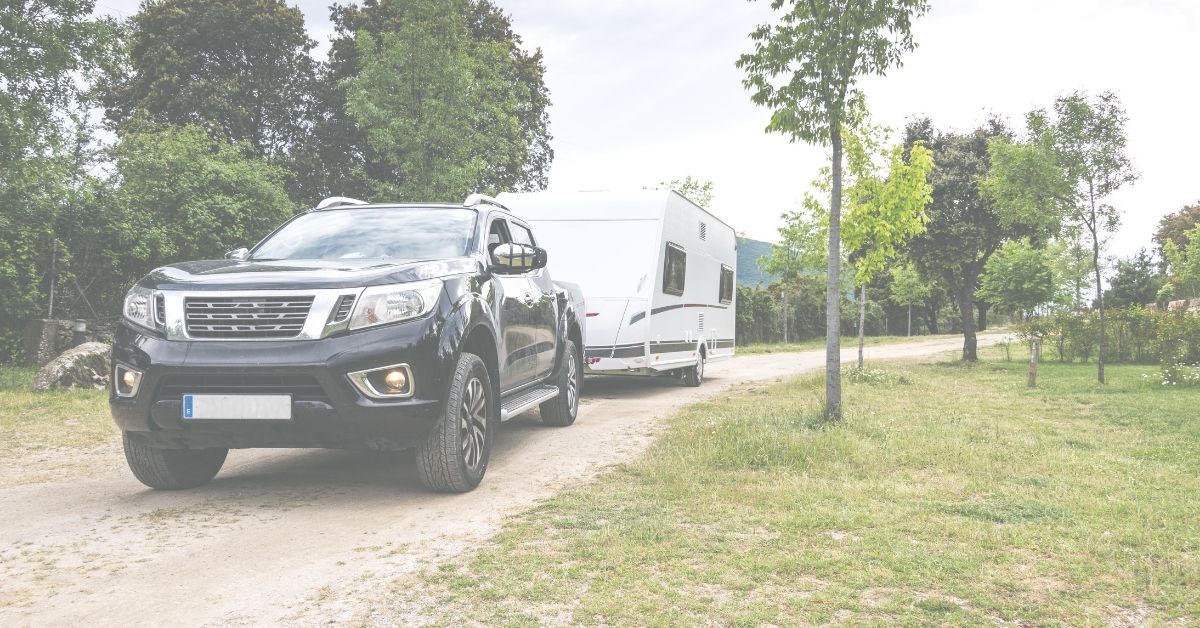
A practical packing guide from Cover4Caravans
A UK summer touring holiday has a lot going for it. You have the freedom to move, the flexibility to change plans, and everything you need travelling with you. That said, what you take can make a noticeable difference to how relaxed the trip feels.
The aim is not to pack everything you own. It is to take the right things – enough to be comfortable, without overloading your caravan or motorhome. A bit of thought before you set off can save time, space and unnecessary stress once you are on the road.
Note: This guide is designed to help with the basics and does not include every item you may wish to take. Packing requirements can vary depending on your trip and personal needs. For more ideas and practical advice, take a look at our other articles and guides across the Cover4Caravans website.
Kitchen and cooking essentials
You will likely use your kitchen more than you expect, even if you plan to eat out occasionally. Keeping things simple works best.
A compact set of pans, a kettle, plates, bowls, mugs and cutlery will cover most situations. Add a chopping board, a good knife, a tin opener and a few basic utensils. These are the items that tend to get used daily, so it is worth making sure they are easy to access.
Washing-up items are just as important. A bowl, sponge, cloths and tea towels will quickly become part of your routine, especially on sites without full kitchen facilities.
Food-wise, it helps to bring a small supply of basics. Tea, coffee, long-life milk, cereal and a few easy meals can make your first evening much easier – particularly if you arrive later than planned or shops are closed. After that, you can top up locally and enjoy what the area has to offer.
Tools and practical kit
Even on a straightforward trip, small issues can crop up. A basic set of tools can help you deal with minor problems without turning them into bigger ones.
Items such as a tyre pressure gauge, portable compressor, wheel brace and levelling ramps are worth having to hand. Add a few spare bulbs, fuses, cable ties and a roll of duct tape, and you will be prepared for most everyday situations.
You will also need the practical items that keep everything running smoothly on site. This may include your electric hook-up cable, water hose, waste container and toilet chemicals. These are easy to overlook when packing, but difficult to do without once you arrive.
As always, refer to your vehicle or caravan handbook for anything specific to your set-up.
Safety and security items
Safety equipment should be part of your standard kit rather than something you think about last.
A first aid kit, torch, spare batteries, fire extinguisher and fire blanket are sensible additions. If you use gas appliances, a carbon monoxide alarm is particularly important.
Security is also worth considering, especially if you are leaving your caravan unattended (such as being out during the day) at any point. A hitch lock or wheel clamp can provide an additional layer of protection and, depending on your policy, these and other certain security measures may be required by your caravan insurance provider, depending on the terms of your policy, so it is worth checking your documentation before you travel.
Clothing and personal gear
Packing for a UK summer means preparing for a bit of everything. Warm sunshine one day can easily turn into wind or rain the next.
Light layers tend to work best. T-shirts, jumpers and a waterproof jacket will usually cover most conditions. Comfortable walking shoes are useful for exploring, while something easy to slip on – such as flip-flops – can make trips to shared facilities more convenient.
Quick-dry towels, swimwear and a small laundry set-up can also be helpful, particularly if you are away for more than a few days.
For outdoor comfort, many people bring folding chairs, a small table, a picnic blanket or a windbreak. These are not essential, but they do make it easier to relax outside when the weather is on your side.
Further reading: Guide to Caravan Gadgets and Great caravan gadgets.
Documents and travel extras
It is worth keeping your important documents organised and easy to find. This may include your driving licence, booking confirmations, insurance details and any site information you have been sent.
For everyday use, phone chargers, a power bank and a sat nav or mapping app are practical additions. Signal can be unreliable in more rural areas, so having offline maps available can be useful.
Entertainment is a personal choice, but books, games or something to watch can make quieter evenings more enjoyable. More info: Guide to what to do on rainy days.
Food planning and storage
While it is part of the fun to shop locally, having a few supplies with you can make life easier, especially at the start of your trip.
Dry goods such as pasta, rice and cereals are easy to store and keep well. A few tins, snacks and bottled water can also be useful. If your caravan or motorhome has a fridge, pre-chilling it before you leave can help keep food fresh for longer.
Final checks before setting off
Before you head off, take a few minutes to run through the basics. Check tyre pressures, lights and brakes, and make sure everything inside is properly secured.
It is also important to be mindful of weight. Overloading can affect handling and may have implications for safety and insurance. Keeping heavier items low and evenly distributed can help maintain stability while towing or driving.
A note on caravan insurance
Touring holidays often involve a mix of travel, storage and time on-site. The level of touring caravan insurance cover you need may depend on how you use your caravan and where you plan to stay.
Policies, limits and conditions vary between insurers, so it is sensible to review your documentation before you travel. This can help ensure your cover reflects your plans and may help avoid unexpected issues if you need to make a claim.
Ready to go?
With a bit of preparation, a UK summer touring holiday can be straightforward and enjoyable. Packing carefully means less time worrying about what you have forgotten, and more time making the most of where you are.
Whether you are heading for the coast, the countryside or somewhere in between, having the right essentials with you allows you to settle in quickly and enjoy the trip from the moment you arrive.
Further reading: Caravanning checklist.
Looking for destination inspiration? Then click here or check out our bespoke Trip related guides.
Does cheap caravan insurance cover really exist?
If you measure it just by the price you pay, cheap caravan insurance cover may well exist – but looking for it may result in protection that is not always completely suitable for your needs.
Paradoxical as it may seem, finding cheap caravan insurance is rarely simply a question of the lowest premiums. Instead, it is more likely to be a matter of finding the best value for money for your own unique insurance needs.
Value for money
Good value for money recognises that not everyone’s needs are the same. Your needs and requirements – including those for your caravan insurance – are unlikely to be the same as those of a neighbour at your campsite or a friend.
The first step in finding good value for money is identifying your needs and requirements. This may be more difficult than it first appears, given the development and increasing sophistication of caravan insurance these days – you may be able to protect against considerably more perils and more closely defined risks than you imagined.
Just as it might be easy to overlook important areas of cover when it comes to identifying all your caravan insurance needs, there then comes the equally difficult task of finding the most appropriate product on a market that is surprisingly wide and varied. Unless you have a close or inside working knowledge of that market, you may well miss the very product you need – at a competitive price.
So, the price of the premiums does eventually come into the decision, but not before some critical decisions beforehand. You might also wish to consider the following ideas.
Specialist brokers
Talking to a specialist insurance provider – such as us here at Cover4Caravans – might be one way to ascertain whether your existing caravan insurance quotes constitute good value for money.
We have experience in helping caravan owners explore cover that may be suitable for their needs, whether you contact us through our website or directly by telephone. We aim to build the kind of personal relationship with you to address the three main elements of securing the caravan insurance you require:
- by establishing the make, model, size, age and value of the caravan you wish to insure and the principal ways in which it is to be used – helping us to define the insurance you need, without missing essential components, but sidestepping unnecessary cover;
- by bringing our intimate working knowledge of this niche of the insurance market to help identify products that may be appropriate for your needs; and
- doing all of this with a keen eye on the price competitiveness of the premiums, we aim to quote you cover that represents what we believe is good value for money.
Cost-saving tips and suggestions
Keeping firmly in mind that what might be considered cheap caravan insurance for one caravan owner is not necessarily true for another, here are some practical tips and suggestions on potentially reducing the cost of the premiums for your caravan insurance.
Read and understand the policy documents
Concentrate on that fact when choosing your policy, consider the price only once you have established that the policy is suitable for your needs. Once again, it is worth stressing that although cheap caravan insurance may be easy to find, the more important consideration is its cost-effectiveness rather than absolute price.
In a similar vein, try not to dismiss a policy’s terms and conditions as just so much red tape. In fact, they are extremely important and need to be read carefully as they may affect the outcome of any future claims – you may find that a policy which appears to have a low price, may have elements of its terms and conditions that are simply incompatible with the way you use your caravan.
Mileage limits
Some insurance policies for touring caravans may have stated maximum annual mileage limits.
If this is what is keeping the cost of your insurance premiums lower than others, but the limit is too low for your needs, then any cost-saving becomes irrelevant and a false economy.
Parking and storage
Some insurance providers may be so uneasy about caravans parked on public roads when not in use that they may exclude cover while the caravan is stored in this way.
Others might place an additional premium on a policy if that is where you usually store your motorhome or tourer when you are not using it.
Even if you park it on your driveway or garden, you might still be able to reduce the cost of your cover if you can get it into secure garaged storage conditions.
How and where you store your caravan over wintertime may also affect the cost of your insurance premiums – and not just because of the winter weather being hard or harsh.
If yours is a touring caravan, for example, it may be at its most vulnerable to theft or vandalism when it is laid up for the winter season. An informal arrangement with a local landowner does not offer a high level of security and your insurer may decline to insure your ‘van if this is the case.
To achieve greater security – and gain the chance of a discount on your insurance premiums – you might instead choose to store your caravan on one of the secure and purpose-designed sites registered with the Caravan Storage Site Owners’ Association (CaSSOA).
Secure storage – and on some sites a limited degree of protection against the elements – may be found at the many registered sites around the country – so there is every possibility of your finding one nearby.
To qualify for registration, each member site needs to be visited and inspected by CaSSOA, which has regard to the levels of on-site security – the presence of CCTV cameras, for example, guarded entry and exit gates, and a fully fenced perimeter.
Depending on the inspection’s findings, the site is then graded – according to the levels of security offered – as Platinum, Gold, Silver or Associate Ungraded.
Further reading: Winterising your caravan: Storage, security, and insurance essentials.
Security
The higher the level of security with which you safeguard your caravan, the lower the risk of loss or damage through theft or attempted theft. (Our Caravan Security and Insurance Video explains more).
Improved locks on doors and windows, smoke detectors and maybe even intruder alarms may persuade some insurers to recognise your care and caution by offering discounts on your premiums.
Further reading: Guide to Caravan Storage and Security and Caravan security.
Be mindful about what you keep in your caravan
Whether yours is a static caravan, tourer, or motorhome, remember that premiums may be higher for cover against theft, loss or damage of valuable items such as expensive electronic devices, gadgets, or jewellery and the like.
In fact, some policies might exclude some or all these categories of items.
Making your vehicle a comfortable home-from-home might be understandable but removing what might be overly expensive items from it – particularly when it is unoccupied – may help reduce risk exposure and, depending on the policy wording, may form part of insurer requirements.
We hope these points have highlighted the importance of finding the most appropriate caravan insurance for you, rather than just the cheapest. If you have any questions, please feel free to call us on 01702 606301 – we’d be delighted to help.
Information is provided for general guidance only. Cover, limits and eligibility depend on individual circumstances and insurer terms and conditions.
Coastal campsites for Caravanners – where to go and where to pitch up
Updated May 2026
Contents
Introduction
The coastline of the UK is around 8,000 miles – a very considerable distance to say the least.
Just as you would expect of such a coastline, there is a huge number of places where visitors flock in the summer and go to blow the cobwebs away on a blustery winter’s day. At any time of year, a trip to any one of thousands of spots on the coast is likely to be worth a visit.
If you have hitched up your caravan behind you, any visit can be made still more enjoyable and give you the chance to make the very most of your journey there – in your home away from home.
Because we have so much coastline, a spot by the beach is never far away and there is a huge range of caravan parks on which to pitch your caravan once you get there.
So great and varied is your choice that this brief guide could never claim to be exhaustive – on an entirely subjective basis, therefore, it is designed simply to whet your appetite!
Cornwall
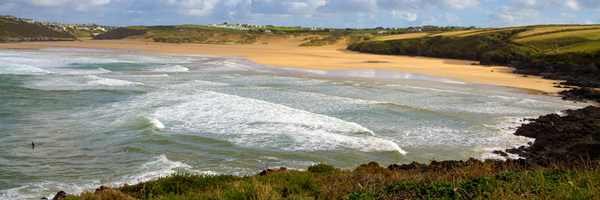
This large peninsula in the south-west of Britain is surrounded on three sides by the sea and claims a coastline in its own right of some 300 miles, according to the local tourist board Visit Cornwall.
Situated at the most southerly point of mainland UK, the climate is probably the mildest the country has to offer and its glorious beaches are perhaps the main attraction of a stay in Cornwall, says the national tourist agency Visit Britain.
With the massive lure of its golden sands and the sheer length of its coastline, it is little wonder that caravan sites on this sunny peninsula abound. Here are just a few of them:
- at Sennen Cove Camping and Caravanning Club Site you could not be any closer to the edge of Great Britain and the appropriately named Lands End. Sennen Cove offers an atmosphere of sheltered tranquillity from which you can enjoy the beaches of Cornwall’s northern and southern coasts. There are 72 grass pitches on the site;
- if it is surfing from some of Europe’s best beaches for the sport, Newquay is likely to be your choice of venue and Treloy Touring Park is just minutes from the town and its beaches. The park has its own outdoor swimming pool and pitches, on grass, that provide either electric hook-ups or are fully serviced;
- The charming old fishing port of Padstow and its neighbouring beaches attracts visitors throughout the year and if you have your touring caravan in tow you might want to pitch up at Padstow Touring Park, just a mile’s walk from the heart of the town. Standard, standard plus and deluxe pitches are available, the latter on hard standing;
- rated by the Camping and Caravanning Club as one of Cornwall’s top sites for beaches, the touring park at Bude lets you explore this part of the North Cornish coast, its sandy beaches and the ancient ruins of King Arthur’s castle at rugged Tintagel. The site has around 100 pitches, many of them on hard standing;
- Trevornick Camping and Caravan Site is but a short walk across the fields to an ideal, sandy, family-friendly beach extending for a mile or so at Holywell Bay and owned by the National Trust. There are extensive facilities for touring caravans, spread across seven fields and offering six different types of pitch.
Devon
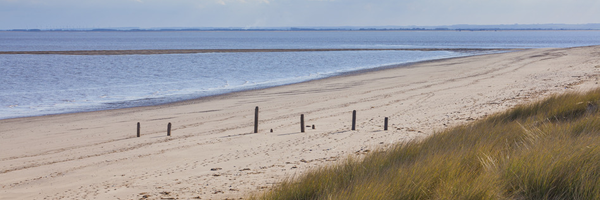
You might want to save yourself the longer drive to the busier Duchy of Cornwall by instead stopping off to enjoy the equally fabulous beaches of its twin sister Devon. It has both a northern and a southern coastline which together extend for a total of 450 miles, with one-third of that distance managed by the National Trust.
North Devon is where Exmoor comes down to the sea, providing dramatic and rugged cliff walks interspersed by sandy coves and beaches. The gentler southern coastline has rolling countryside as the backdrop to its sandy beaches, many of which are ideal for family outings.
Sites for touring caravans are many and varied, with just a selection highlighted here:
- Watermouth Cove Holiday Park is on Devon’s north coast, near the town of Ilfracombe. The park is set right beside a sheltered cove in an otherwise rugged and dramatic coastline, offering immediate access to its tranquil beach. This relatively large park has all weather, grass and hard standing pitches with electric hook-up;
- views of the sea from practically every one of its 50 individually marked pitches can be enjoyed at Little Meadow Campsite, situated between Ilfracombe and Combe Martin on Devon’s north coast. Pitches for touring caravans are described as generously sized and some (but not all) have electric hook-up;
- Soar Mill Cove, South Sands and the access to the long coastal path are all within just a mile of Higher Rew Caravan and Camping Park in the verdant South Hams on Devon’s south coast;
- Salcombe Regis Touring Caravan Site is well situated for easy access to Devon’s Jurassic coast which extends all the way into neighbouring Dorset. Close to both Salcombe and Sidmouth, the site offers pitches that are almost all on hard standing, each with its own electrical hook-up and water tap.
Dorset
For 95 miles from its boundary with Devon, Dorset is home to the famous Jurassic Coast – so named because of its geological treasure trove or fossilised remains stretching back 185 million years. Not for nothing has this natural wonder been accorded World Heritage status.
Thanks to its location in the middle of southern England, Dorset’s coastline is not just for geology buffs, but has mile after mile of coastal paths, enticingly secret coves and both pebbly and sandy beaches.
Unsurprisingly, the Dorset coastline offers a number of sites to visit with your touring caravan, including:
- at Burton Bradstock, near Bridport in the east of the county is Freshwater Beach Holiday Park, with its 400 pitches for touring caravans, each with its own electric hook-up. Situated on what is fondly known as Dorset’s Golden Coast, the park is open from mid-March until mid-November;
- just 3 miles from a gloriously sandy beach at Charmouth you will find Monkton Wyld Farm Touring Caravan Park, set in the Dorset countryside and rarely seeming to be overcrowded. There are 150 generously sized pitches for touring caravans, 100 of which are on hard standing and all with electric hook-up;
- Lyme Regis is the setting for the novel The French Lieutenant’s Woman and the coastal town is little changed from the one painted in the book. Just a mile’s walk upstream along the banks of the River Lym can be found Hook Farm Camping and Caravanning Park, with its 100 pitches for touring caravans, motorhomes and tents.
Sussex
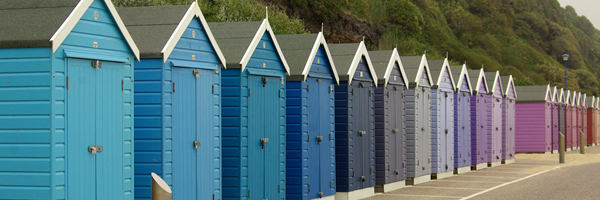
The county of Sussex on the south-eastern coast of England has such a long coastline that it is divided into West and East Sussex, each with its fair share of beaches, coastal walks and historic sites, all within a stone’s throw away from a nearby campsite for your touring caravan.
From the towering heights of mighty Beachy Head to the charms of the Brighton made famous by a former Prince of Wales’s Pavilion, the county’s tourist board, Visit Sussex, can guide you towards just some of the many attractions on offer.
For those caravanners with a hankering to be close by the sea anywhere along the county’s coastline, some of the following sites may appeal:
- the seaside, the bright lights and the enduring charm of a Victorian resort, Brighton has it all, so where better to park up your touring caravan than the Brighton Caravan Club Site. It is just 2 miles from the town itself, in a tranquil fold of the South Downs and offers a total of 213 pitches for caravans, 126 on hard standing and 11 of which are fully serviced;
- you would be hard pressed to find a more historically iconic location close to the coast than the scene of the Battle of Hastings. Although the sea has receded some few miles further away than in 1066, Shear Barn Holidays and Touring Park remains the ideal base from which to explore the battlefield, the old port of Hastings and the surrounding coastline. The park has a selection of different pitches, from grass to hard standing, with or without electric hook-ups.
Kent
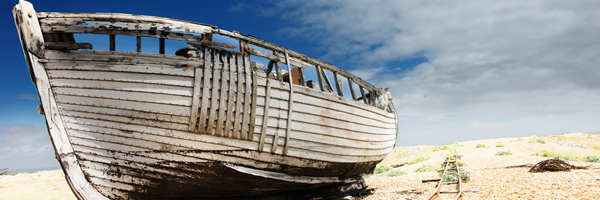
In the south-eastern corner of the British Isles lies the Garden of England, our closest point to continental Europe, yet still the first line of defence of the nation’s independence.
As the local tourist board, Visit Kent, points out the county was once a separate kingdom in its own right, and the place still seems to carry echoes of that distinctive history.
Naturally, the county has a wrap around coastline that borders both the English Channel and the edge of the North Sea above the Thames estuary. If you want to get away in your caravan to a place by the sea in Kent, therefore, there are a number of places you might want to visit:
- there may be times when you want to pitch your caravan for just a night or two near a coastal port just for its ease of access to a Channel crossing. If that is your aim, Hawthorn Farm in the village of Martin Mill is just a mile or two from the bustling port of Dover and the seafront at St Margaret’s Bay. The site’s grass and hard standing pitches are spread across 28-acres;
- if you are heading for the east Kent coastal resorts of Margate and Ramsgate, Quex Park in Birchington is handily placed for both. This is a large park for touring caravans and motorhomes only, no tents are allowed.
South Wales
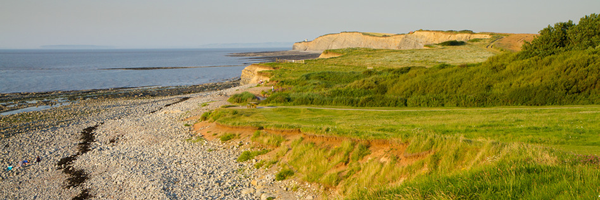
Cross over the border into Wales and you are in a different country, scenically, historically and culturally – even the language may be different.
Through its industrial heartland of the Welsh valleys to the green and pleasant Pembroke peninsula, the principality is a land of contrasts – and these become nowhere more apparent than along its coastline.
Barry Island, for example, is close to the capital, Cardiff, and the faded industrial glory of Swansea Bay, yet has a stunning, golden sandy beach. As one of the first places English visitors to South Wales may encounter, it is a taste of still further blue star beaches to come:
- just a couple of miles inland from Barry is Happy Jakes Touring Holiday Park, where all 30 of its caravan pitches are south facing. The Jake in the park’s name is a reference to the owners’ son and a way of letting disabled caravanners know the importance they place on providing access for those with a disability;
- travel further westwards along the coast and just past Swansea, you will find the gateway at Mumbles to the stunning Gower peninsula, designated Britain’s first Area of Outstanding Natural Beauty in 1956. To share a taste of life on the Gower and sample within a short walking distance the sandy beaches of Oxwich and Three Cliffs Bay you might choose to stay at the Nicholaston Farm Camping and Caravan Site. The majority of pitches for touring caravans are on hard standing.
- visit the Caravan Club’s St David’s Lleithyr Meadow site for touring caravans and you have mile upon mile of coastal path in both directions at this most south-westerly part of Wales. The site offers a total of 115 assorted pitches for touring caravans.
North Wales
North Wales is dominated by Snowdonia National Park and the majestic Mount Snowdon itself, the highest mountain in England and Wales. More down to earth, there are plenty of other things to do and to enjoy than scaling the dizzy heights – as the Welsh tourist Board, Visit Wales, is keen to point out.
There is the distinct charm of the island of Anglesey, where you are never so far from the coast, and beaches along both the north Welsh coast and to the south of Snowdonia:
Seaside towns in North Wales are readily accessible from some of England’s biggest, busiest and once industrial towns – the seaside resorts therefore have a nostalgic character all of their own. Towns such as:
- Llandudno – with its iconic rock, the Orme, which can be seen from nearby touring caravan park, Tyydyn Du. The mainly grass pitches all have 16 amp electrical hook-up;
- Abersoch – where you might choose to pitch up at Hen Siop y Mynydd campsite, overlooking the dramatic if somewhat alarmingly named Hell’s Mouth (Porth Neigwl);
- Barmouth – Hendremynach or the Barmouth Touring Caravan and Camping Park is practically on the beach at Barmouth and offers both grass and hard standing pitches, all with 10 amp electric hook-up.
East Anglia (Norfolk, Suffolk and North Essex)
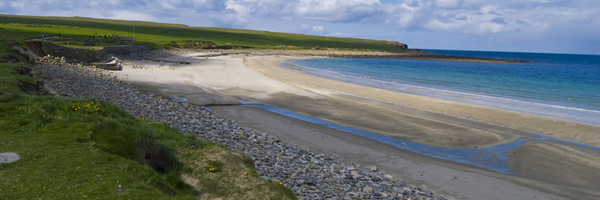
Even the local tourist boards seem to recognise the temptation of many potential visitors to overlook the charms of East Anglia – which has probably the longest coastline of any region of England.
North Norfolk has some wonderfully sandy beaches, Suffolk has pebbles, and Northern Essex still retains some surprisingly quaint and old English coastal villages.
East Anglia occupies a large region of England and so offers plenty of contrast and variety as some of these caravan sites along its shores might illustrate:
- Walnut Farm Caravan Park is a short distance from several sandy beaches in Norfolk and only half an hour’s drive from the seaside resort of Great Yarmouth. The park has 20 large pitches, each served by a 16 amp electric hook-up;
- Cakes and Ale Holiday Park – this delightfully named caravan site lies in the centre of Suffolk’s Heritage Coast. Pitches for touring caravans are deliberately left with plenty of space between them, so you can enjoy the best of the tranquillity, peace and quiet; (Read our blog written by Cakes and Ale on what it is alike to run a holiday park)
- Grange Farm Campsite makes a point of being mainly for adults and only a few pitches are reserved for families with children. A small, quiet site, it is close to the popular beaches of Clacton, Frinton-on-sea and Walton on the Naze.
North England
Although included under the same heading in this brief guide, many would argue that northeast and northwest England are as different as chalk and cheese.
On the east coast there is the bird and seal watchers’ paradise of the Farne Islands, set just off the Northumberland coast and the sandy beaches that continue down through County Durham, as far as the drama to be had where the North York Moors also reach the sea.
On the west coast in Lancashire, there is the huge sweep of Morecombe Bay, the bright lights and kiss-me-quick hats of Blackpool, and the point where the mountains of the Lake District come down to the sea.
A region to be enjoyed in two halves, therefore, here are a few suggestions about where to pitch your caravan:
- Seafield Caravan Park is the ideal base from which to explore the Northumberland coast, Farne Islands and the imposing castle at Bamburgh Head. Pitches for touring caravans on the site are a particularly high standard, with each one on hard standing and electric, water, drainage and sewerage points illuminated by an individual light;
- Middlewood Farm Holiday Park is set on the rugged North Yorkshire coast, near the scenically charming Robin Hoods Bay, nestled in its on sheltered cove. The site has a 5-star award and all of its pitches for touring caravans are on hard standing, with electric hook-ups;
- if you want the bustle of Blackpool yet an escape at the end of the day to a semi-rural setting, the site for you might be Beechwood Stables Caravan Site over on the North of England’s west coast. A relatively small site, all pitches for touring caravans are on hard standing;
- Seacote Caravan Park is right on the beach at St Bees in a unique corner of England where the edge of the Lake District meets the sea. Pitches for touring caravans are all on hard standing and some have a grassed area to the side to accommodate awnings. All have 10 amp electric hook-ups and mains water.
Scotland

You probably don’t need the reminder from Visit Scotland that the country is world famous for its stunning scenery, its culture, its diversity – and, of course, its whiskey!
What may be less commonly quoted, though, is the fact that a country the size of Scotland and its many outlying islands, has an enormously long coastline – perfect for those who want to take their caravan north of the border and still pitch up on a coastal campsite.
From north to south, east to west, Scotland offers tremendous variety and diversity, making a short selection of coastal caravan sites especially difficult. The following, therefore, are very much just for starters:
- if you would prefer the gentler surroundings of the Ayr peninsula, you might want to consider the Heads of Ayr Caravan Park, on the beach, just five miles south of the town of Ayr itself. A relatively small number of pitches for touring caravans is offered, but each has its own electric hook-up;
- in northeast Scotland, Banff Links Caravan Park is right alongside the sea front and lays claim to being situated in one of the driest regions of the country. For touring caravans the site offers 38 pitches, all with electric hook-up;
- you’re almost certain to have heard of the Mull of Kintyre – now you can take your second home there. Muasdale Holiday Park overlooks the wide sweep of this Argyle peninsula and is ideal for island hopping. But there are pitches for only 8 touring caravans – each with electric hook-up – so advance booking is essential.
Northern Ireland
The stunning coastline of Northern Ireland is probably rarely visited by English caravanners – because of the relatively high cost of the ferry across the Irish sea.
But the voyage might prove well worth the time and expense in order to enjoy the dramatic scenery and unspoilt beached which you might find along a coastline which – according to Discover Northern Ireland – is some 124 miles or 200 km long.
From the world famous Giant’s Causeway in County Antrim, the golden sands of many beaches in Londonderry or the Mourne Coastal Route in County Down, there are certain to be pleasant surprises around every corner.
Here are some of the touring caravan sites at which you might want to stay:
- Ballyness Caravan Park in Bushmills, in the north of County Antrim, is just minutes from the iconic Giant’s Causeway and the sandy beach of Whitepark Bay. The park offers 50 fully serviced pitches for touring caravans, all of which are on hard standing;
- Ballyleese Town and Country Caravan Park is close to Portstewart on the north coast of Londonderry, near to The Strand beach and golf links. It is described as a family-friendly caravan site.
Summary
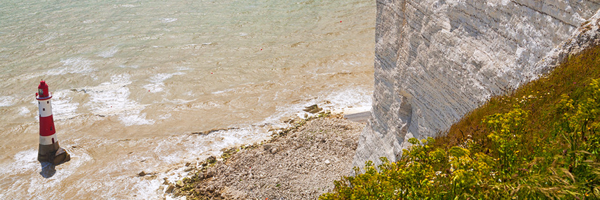
The British Isles are naturally surrounded by the sea and therefore have an extremely long coastline. If it is the coast that draws you towards destinations for your touring caravan holiday, therefore, you are unlikely ever to be at a loss for somewhere to go – be it in England, Wales, Scotland or Northern Ireland.
This brief guide has only scratched the surface with suggestion about just a few of the coastlines you might explore and the touring sites you might choose as your base.
Disclaimer
The information in this guide is provided for general interest only and is based on sources believed to be accurate at the time of writing. Campsite facilities, access arrangements, seasonal availability, local regulations and coastal conditions can change, so readers should check details directly with individual sites or local authorities before travelling.
Insurance requirements and levels of cover vary between insurers and policies. Caravan owners should review their own policy documents carefully to ensure they understand any terms, conditions, exclusions or location-related requirements that may apply when staying at coastal or exposed sites.