
Touring caravan insurance: what does it typically cover?
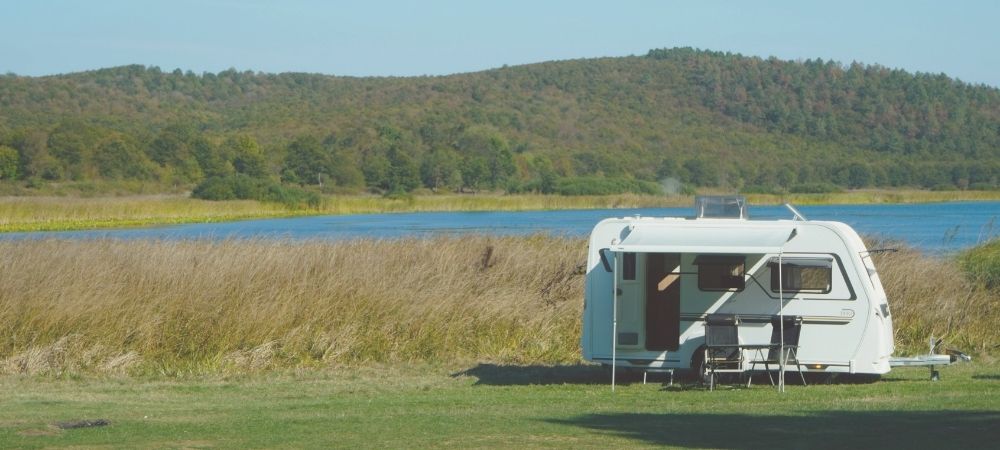
Touring caravan insurance is intended to protect your caravan against the kinds of risks that can arise both while travelling and when it is parked between trips. Because a touring caravan is regularly moved, stored and used at different sites during the year, insurers usually offer cover designed specifically for touring use rather than relying on standard household insurance extensions.
Although the detail varies between insurers, most touring caravan policies are arranged to reflect the everyday risks owners are likely to encounter, including accidental damage, theft, liability to others and loss or damage to touring equipment.
Understanding what is commonly included can help you check whether a policy matches how you actually use your caravan.
Accidental damage while towing or on site
Accidental damage is one of the main reasons many owners choose specialist caravan insurance. This type of cover is generally intended to help if the caravan is damaged unexpectedly during normal use.
Typical examples may include reversing into a post while positioning the caravan on a pitch, clipping a gate when returning it to storage, or sustaining impact damage from debris during a journey. Some policies also extend to fitted features such as seating areas, kitchen units and washroom fittings where these form part of the caravan itself.
Because cover can operate differently depending on whether the caravan is being towed, pitched or stored, it is sensible to check how protection applies in each situation. If you are unsure, speak to your insurance broker or insurer.
Theft protection and security expectations
Touring caravans are often left unattended for periods between trips, particularly outside the main touring season. For that reason, theft protection is normally included within specialist caravan insurance.
This can apply if the caravan itself is stolen or damaged during an attempted theft. Insurers usually expect certain security measures to be in place when the caravan is not in use, such as wheel clamps, hitchlocks or storage at recognised secure locations. (At Cover4Caravans, discounts of up to 20% may be available for caravans stored at CaSSOA-approved sites, depending on the insurer and individual circumstances).
Limited protection for items kept inside the caravan may also be included, although insurers normally apply individual item limits.
You can read more about recommended security arrangements in our Guide to caravan storage and security.
Public liability while using your caravan
Public liability cover is typically included to provide protection if you are found legally responsible for injury to another person or damage to their property connected with your caravan.
Incidents of this kind can arise more easily than expected on busy touring sites. For example, someone could trip over an awning line or be injured by equipment positioned outside the caravan. Liability cover may help meet legal costs and compensation payments where appropriate, subject to policy limits.
Of course, this type of insurance is not intended to replace the need to take reasonable care when setting up and using your caravan. Owners are still expected to position equipment safely, secure awnings properly and maintain their caravan in a condition that does not create avoidable risks to others.
It can be worthwhile checking whether the level of liability protection available reflects how often and where you tour.
Awnings, equipment and personal belongings
Most caravan owners travel with additional equipment that supports everyday use on site. Awnings, hook-up cables, outdoor furniture and gas cylinders are common examples.
Insurance policies often include some protection for these items alongside personal belongings kept inside the caravan, such as clothing, kitchen equipment and leisure accessories. However, overall limits and single-item limits usually apply, so higher-value items – such as awnings – may need to be listed separately depending on the insurer. Further reading: Guide to Awnings.
Storm damage and exposure to the elements
Touring caravans are regularly exposed to changing weather conditions throughout the year. As a result, cover commonly applies to certain types of storm damage or impact from falling branches.
Insurers will normally expect the caravan to be kept in sound condition. Damage linked to gradual deterioration, failed seals or long-term water ingress is not usually treated in the same way as sudden storm damage, so routine checks remain important between trips.
Further guidance is available in our article on protecting your caravan during severe weather.
European travel and storage between trips
Many touring caravan policies allow for short trips within Europe as part of standard cover. The number of days included varies between insurers, so it is sensible to confirm what applies before travelling abroad.
For much of the year, caravans are kept in storage rather than on the road. Insurance usually continues during these periods provided the caravan is stored in line with the insurer’s requirements. These may include using security devices or keeping the caravan at an approved storage site.
Our blog on taking your touring caravan to Europe explains what to check before travelling.
Checking the detail before arranging cover
Touring caravan insurance can provide reassurance against a range of risks associated with ownership, but the level of protection available depends on the insurer and the policy selected. Security arrangements, storage conditions and equipment limits can all affect how cover operates in practice. For that reason, it is always sensible to review the policy wording carefully and make sure the cover reflects how and where your caravan is used.
If you would like help understanding the types of tourer caravan cover available or would like to discuss your touring caravan insurance requirements, our team has experience arranging protection for a wide range of caravans and usage patterns. We are always happy to talk through your circumstances and help you explore suitable options. You can also learn more about the features available on our touring caravan insurance cover page.
Please feel free to contact us on 01702 606301 for further information or a quotation.
Further reading:
Casthorpe House Farm Certified Location Site Review
Casthorpe, Near Grantham, Lincolnshire. NG32 1DS
CAMC Members only 5 pitch site
Date of Visit: March 2026
Overall View
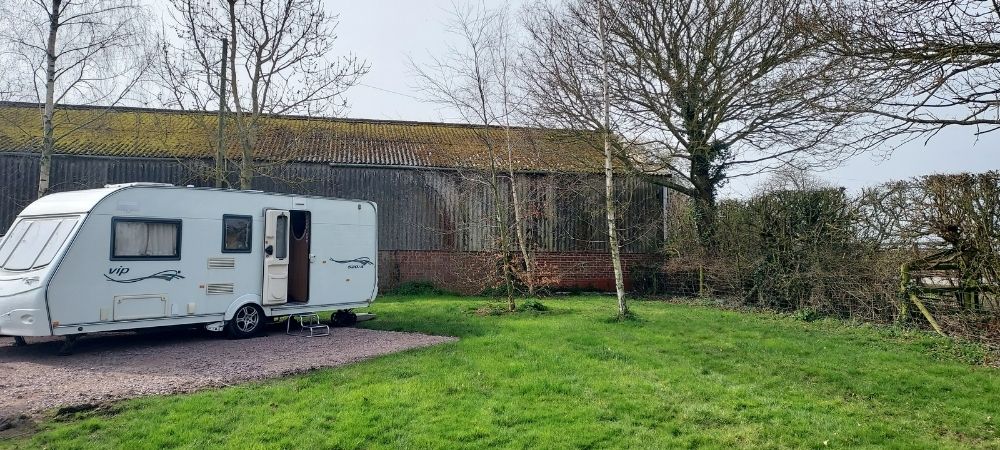
This is a very quiet site with 5 pitches; all bar one will accept a car and caravan plus awning on each pitch. The site is level and the owners have added to the pitches extending some of them which is most appreciated. It is a field to the side of the farmhouse, which is no longer a working farm. The owners live in the farmhouse and were very welcoming and offer information on local facilities and loan you maps if you require them. Payment for your stay is by cash only. The site was very busy during our 4 night stay.
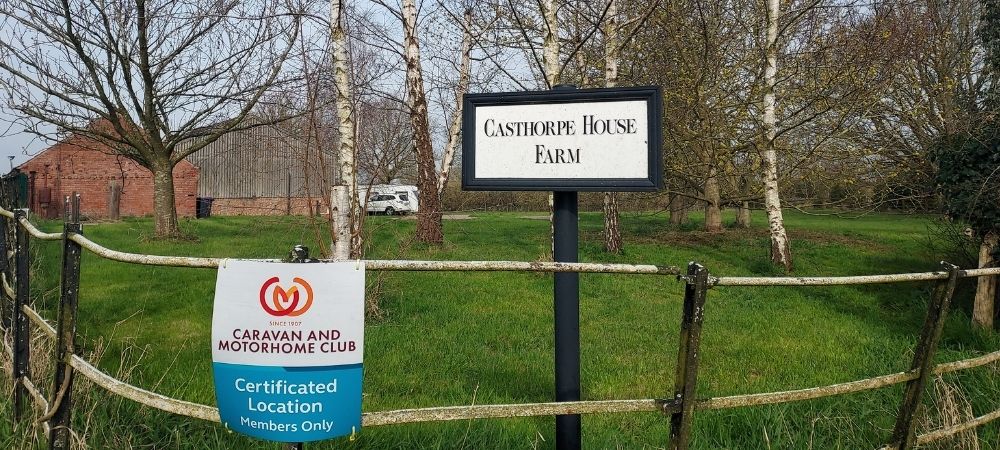
Access to the site is very good, being a few minutes from the A1, A52 to name but two major roads. Please see arrival video HERE. Please take care not to take the first turning, but it is the second one you require.
Facilities
The site does not offer showers or toilets, however there is 16amp EHU to each pitch. The owners will supply extension cables for this, as necessary. The fresh water tap and grey waste disposal are by the entrance, the CDP is opposite, again by the entrance as well as the usual recycling facilities.
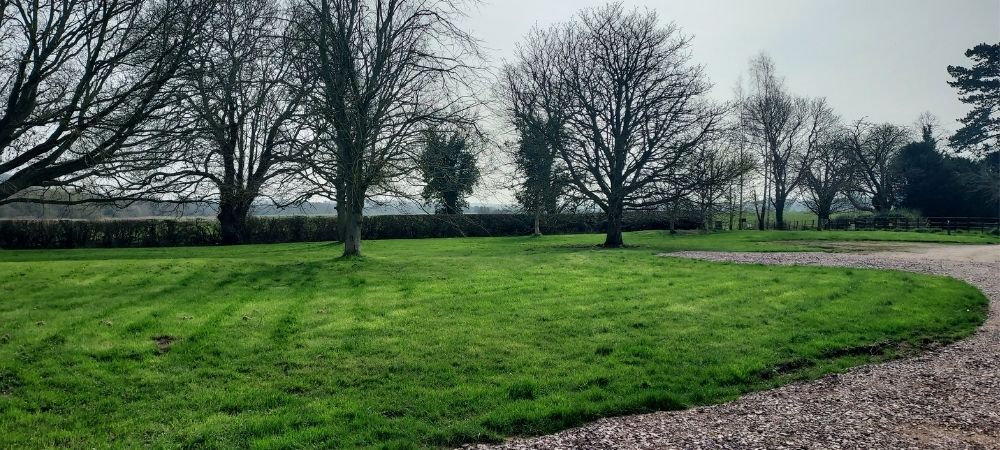
Security is very good with a keypad to enter and leave the site. Each outfit is given their own key code on booking.
The site also offers secure storage for a number of caravans, both outdoors and inside a barn. Security again is a strong point as not only do you require the keypad access to enter the and leave the site, you have further security measures as well. It was very well patronised.
TV reception through the aerial was good, subject to a quick alignment, as was radio.
There was not a WiFi offering but mobile reception from Lyca (EE) was fine for TV streaming. Lebara (Vodafone) was acceptable too though both deteriorated when the blinds were closed at night.
The coverage checker for O2 suggested good outdoor 4G coverage but indoors and 5G were described as patchy. For 3 there was no 5G coverage but 4G was okay.
Review of Site Pitch
We chose one of the newly widened pitches and were very pleased with the capacity. We had lovely views onto the wider site and the trees and wildlife around.
Around and about
A 15 minute drive across country lanes will bring you to the Syston Park Farm Shop & Cafe. A lovely venue with great quality farm fresh foods and cakes etc. The cafe at the rear offers a comprehensive menu including beers, wines and spirits as well as the usual cafe fare. There is good access and accessible facilities. Dogs are not allowed in the building but there are a number of benches outside the cafe where you are most welcome to sit with your dogs. There is a small play area opposite. During our visit in March, obviously there was no pick your own available. It was clear, however, to see that there were large areas available when the season was right. Very much recommended for a morning run out for coffee and cake and to pick up some lovely fresh farm food.
The nearest shop is the Co-Op in Barrowby, a few minutes’ drive from the site. It has plenty of parking space and also has the added advantage of having one of those external automatic washing machine system.
https://stores.revolution-laundry.com/en-uk
This is also the location of the nearest bus stop into Grantham. Route 93B leaves from the Village Hall, close to the Co-Op. You are best checking their web-site as it is a rural route. www.citymapper.com/lincolnshire.com
Grantham Caravans is the nearest caravan dealer with a spare parts and accessory shop. A few minutes’ drive out of Grantham. https://shop.granthamcaravans.co.uk/
Fuel – There are a number of supermarket fuel stations, Asda and Sainsburys being the main two plus a number of own brand fuel stations, Esso etc.
Grantham and the site are well served by being a station the East Coast main line between London Kings Cross and Edinburgh. A number of smaller, more local services are also available and it is on the X-Country route from Birmingham New Street to Cambridge. www.nationalrail.co.uk
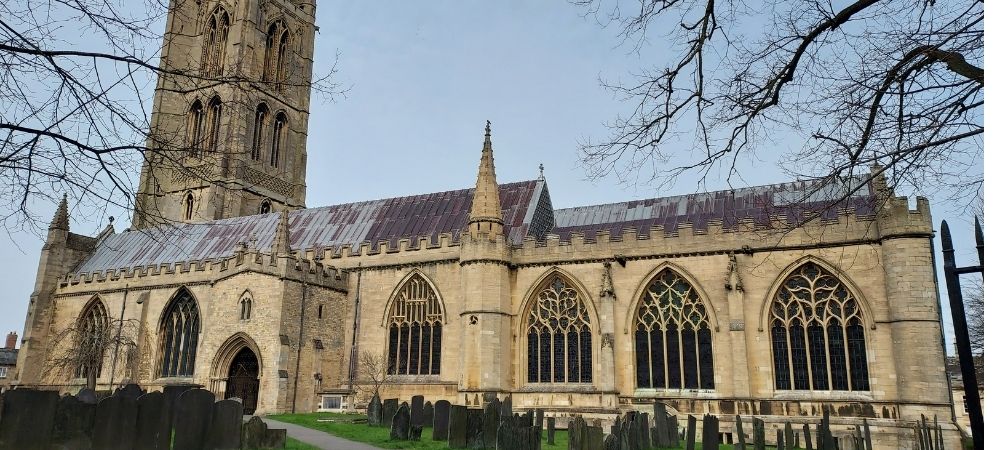
A very pleasant and relatively cheap half day out can be had by visiting the National Trust property, Grantham House. You can easily combine it with a slightly longer visit if you wish and visit St Wulfram’s Church opposite. The church is very large and has one of the top three highest spires in the country. www.stwulframs.org.uk
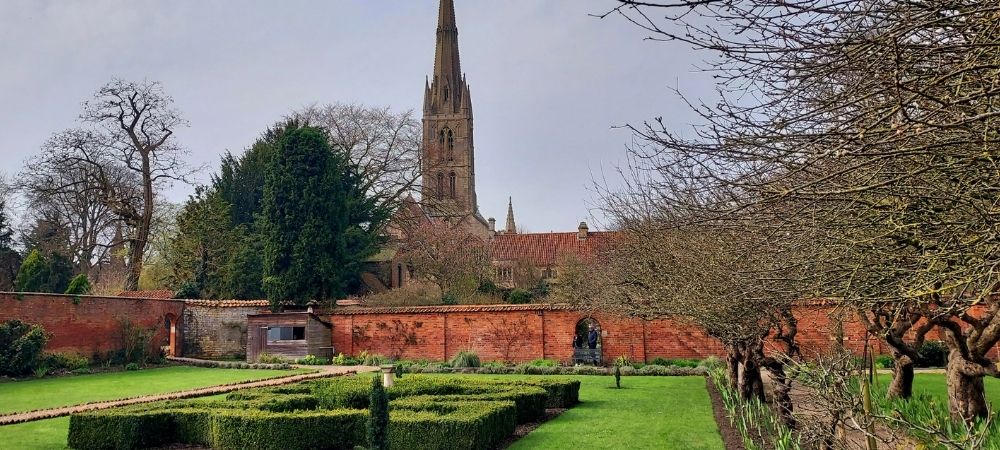
Grantham House is a very pretty area, the best parts of which are the walled gardens, the grounds leading down to the river Witham. All of which are accessible. Dogs are very welcome throughout, apart from a small room to the side of the Cafe. The cafe offers the usual National Trust fare and there is a well-stocked second hand bookshop here too. There is currently no need to be a trust member as entry is free of charge.
A 40 minute walk along the Grantham Canal, or a 10 minute drive along country roads will bring you to a recently re-opened restaurant/pub The Duck. We did not eat there but the food looked to be very appetising indeed. There is outdoor seating undercover and it sits alongside the canal. Dogs are most welcome and there is plenty of seating to be had in the inside bar area. The bar sells a number of hand drawn real ales.
Grantham has plenty of history to its name. It was once on the A1, it is hard to imagine the traffic which would have gone through there at one time, there are queues even today still, given the A1 bypasses the town a few miles to the side. There are a range of supermarkets, including Morrisons, Sainsburys and a very large Asda. The High Street has a few shops and cafes and two historic hotels at the far end. Sadly, like many town high streets, country wide they have fallen victim to out of town shopping centres and recessions.
Trail Tale, www.trailtale.co.uk This is a relatively short, level walk, which can be completed in sections, (ours was 3 months apart) and you learn a great deal about Sir Isaac Newton, Lord Tollemache, the members of royalty which have stayed at the Angel and Royal Hotel on the High Street. Of course, there is the more recent Lady Margaret Thatcher. Statues of these 3 are in front of the Guildhall Centre small park, which when we visited was undergoing some additional improvements, the adding of benches and water fountains. It was nearly complete and will be a lovely area in which to sit and watch the world go by.
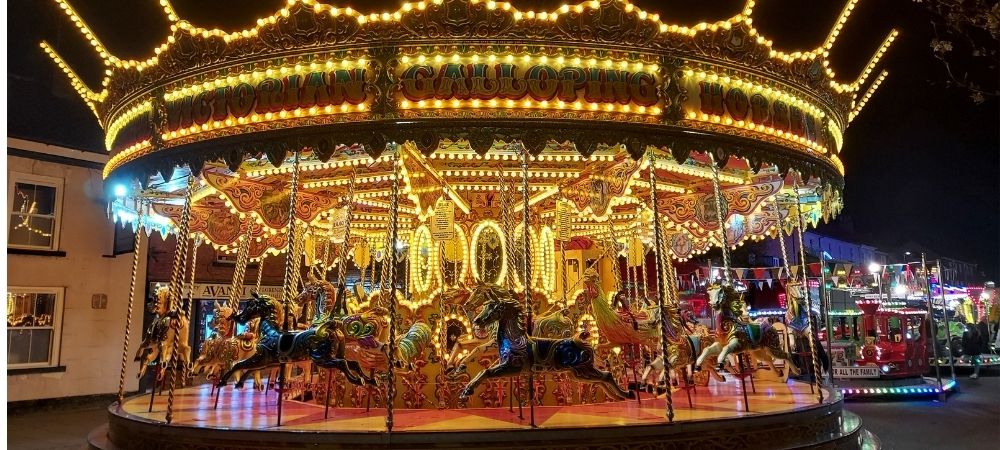
Each March there is a fair which visits the town – we were fortunate to visit it. We have to say it was one of the best run fairs we have seen. Accessibility was sorted, a good range of food stalls, although the usual prices! There were rides for all ages/sizes and cards could be used.
Summary
Given its proximity to the main roads, what strikes you almost immediately is how quiet the site is. It is a little oasis. We would definitely return again.
A new season means a new start for many of the UK’s campsites – here’s the latest

The Easter holidays often mark the start of a new season for many caravanners, with parks reopening and travel plans taking shape across the UK.
This year brings a mix of developments across the sector. New campsite tenancies are being offered, some sites are changing management, and others are planning extensions and refurbishment.
Meanwhile, long-standing risks continue to evolve, highlighted by reports of stolen caravans being recovered as far afield as Poland.
Here’s a closer look at some of the latest stories affecting caravan owners and holiday park users this season …
Fancy running a caravan park in Elvaston Castle, Derby?
The first of the campsite initiatives is an offer from Derbyshire County Council to take on the tenancy of the 4.02-acre caravan park at historic Elvaston Castle, which dates back to 1633 and is renowned for its formal gardens and surrounding parkland.
In its story about the council’s initiative, Practical Caravan magazine revealed that bids for a tenancy are open to offer.
A caravan park in the grounds of Elvaston Castle had been in operation since the 1960s, but recurring drainage problems on the site meant that it closed down in 2012. Derbyshire County Council tried to let the site again in 2018, but no new tenants took up the offer. A later attempt to sell the site also fell through.
The site has now been cleared once again, and the council is promoting the commercial opportunity for a new caravan site venture within the 321 acres of historic landscape.
Lake District: Park Cliffe Campsite under new operator
A well-established campsite in the ever-popular Lake District is under new management.
The former Park Cliffe Camping and Caravan Estate has been renamed Park Cliffe Windermere Camping and Caravan Park under its new management, the Caravan and Motorhome Club (CAMC), it has been announced.
CAMC is naturally very excited to add a further site to its list, especially one so close to the stately lake and just three miles from Bowness-on-Windermere. Under the club’s management, the site is open to all-comers – touring caravans, campers, motorhomes, and glampers.
Already the holder of a David Bellamy Gold Conservation Award for a management style that fosters environmental responsibility and protection of local flora and fauna, Park Cliffe is home to red deer, roe deer, foxes, squirrels, and abundant birdlife. In tandem with its natural treasures, the park also boasts modern amenities such as a shop, bar and restaurant, children’s playground, games room, and park-wide Wi-Fi.
Stolen UK caravans recovered in Poland with help from NCC, VIN Chip and CRiS security systems
In a posting on the 19th of March, the National Caravan Council (NCC) revealed that several high-end caravans stolen in the UK have been found and recovered as far away as Poland.
Working in concert with the NCC, Cheshire Constabulary Rural Crime Team has concluded an investigation resulting in the return to their UK owners of several caravans and other possessions, following the arrest by Polish authorities of six offenders who are now currently awaiting trial.
Praising the collaboration with both the NCC and the Polish authorities, Cheshire police urged caravan owners to improve the security of their caravans by attaching a VIN Chip – a tamper-proof identification label, containing a radio frequency ID (RFID) chip, that links the caravan to a database securely managed by the nationwide Central Registration & Identification Scheme (CRiS)
Proposed Northumberland caravan park extension could bring £1.6m boost to local economy
Coquet View Leisure Park in Warkworth, Northumberland, has submitted a planning application for a further 64 static caravans at its site north of Morpeth, revealed the Northumberland Gazette on the 27th of March.
Planning permission had previously been granted for 124 static caravans, but the plan was never developed. The current application for a reduced number of units reflects changes in a planning regime that has become more environmentally sensitive. Even with fewer additions to the site, however, the application claims there will be a £1.6 million boost to the local economy.
Caravanners’ guide to theme parks in and around the UK
Updated April 2026
Contents
- 1 Introduction
- 2 Alton Towers
- 3 Thorpe Park
- 4 Chessington
- 5 Drayton Manor
- 6
- 7 Legoland
- 8 Blackpool Pleasure Beach
- 9
- 10 Lightwater Valley
- 11 M & D’s Amusement Park
- 12
- 13 The Milky Way Adventure Park
- 14 Wicksteed Park
- 15
- 16 Paultons Park
- 17 Flamingo Land
- 18 Landmark Forest Adventure Park
- 19 Special bonus park: Disneyland Paris
Introduction
Britain’s theme parks are home to some of the best and some of the biggest in Europe. If you want faster, bigger and better rides, therefore, you could do a lot worse than a trip that takes you to a different part of the country yet still only a stone’s throw or two away from your own doorstep.
As with many good ideas for trips away from home, though, finding a place to stay once you get there might be tiresome – not to say expensive – especially if you have one or two youngsters along with you on holiday or a few days break.
That is where you are likely to win hands down, of course if you are able to tow your caravan behind the car, pitch up at a nearby camp site, and make as many forays to and from the theme park as the fancy takes you.
This guide offers a tour through some of the country’s most notable theme parks, identifying not only where they are and what they have to offer, but also identifying some of the caravan sites within easy striking distance of each park.
Before we dive in, just a reminder that opening times and facilities etc. may change due to any ongoing Covid restrictions. So please do check directly with the venue and camp sites.

Alton Towers
Alton, Staffordshire, England
What’s there?
Since its opening at the beginning of the 1980’s the theme park at Alton Towers has grown in size, added still further attractions and become perhaps the best known of all the UK’s parks.
It is situated on an extensive site – now including a water park in addition to the rides – set in the Staffordshire countryside, easily accessible from either the M1 or M6 motorways.
Perhaps best known for its innovation when it comes to the rides – and roller coasters in particular – Alton Towers arranged around major themes such as Theme Park, Waterpark, CBeebies Land, Extraordinary Golf and the Alton Towers Dungeon. There is also an adult spa there too.
Places to stay
- The Star, a Camping and Caravanning Club site, in Alton itself, has a bus stop right outside and a short ride from there to Alton Towers – there are pitches for 195 caravans;
- Also just half a mile outside the village of Alton, and 2 miles from the theme park itself, is the much smaller Lower Micklin Touring Park, with 10 hard standing and 5 grass pitches;
- Occupying 16 acres on the edge of the Peak District National Park, Hales Hall Caravan and Camping Park offers the best of both worlds – the relaxation of a country setting with views over the old market town of Cheadle yet still only a 10 minute drive away from Alton Towers;
- All grass pitches are offered at New Broom Camping and Caravan Site where its two acres offer probably more basic accommodation for you and your caravan, yet still just four and a half miles from Alton Towers.
Thorpe Park
Chertsey and Staines, Surrey, England
What’s there?
Thorpe Park Resort – to give it its formal name – is only 20 miles from the capital and access from junctions 11 and 13 of the London orbital M25.
In the midst of an otherwise completely built-up conurbation, Thorpe Park’s advertising slogan is “an island like no other”. It opened in 1979 and is currently under the same ownership as Alton Towers.
Thorpe Park currently boasts a total of over 30 rides – seven of them roller coasters and five of them water splashes.
Places to stay
-
- At the Camping and Caravanning Club Site Chertsey you are spoilt for choice when it comes to theme parks – not only Thorpe Park, but also Legoland and Chessington are all within just a stone’s throw away;It may be just a 30 minute train journey from central London, yet the location beside a peaceful stretch of the River Thames gives it a calm and relaxing ambience;It is a large site, too, with around 150 pitches, so you are more likely to be successful when making a booking;
- The Caravan Club’s Crystal Palace Site is, of course, even closer to central London – yet set in pleasantly leafy surroundings nonetheless – and within easy striking distance to Thorpe Park;The site has a total of 89 pitches, 60 of them on hard standing.
Chessington
Kingston upon Thames, Surrey, England
What’s there?
Practically everyone knows it simply as Chessington, but its full title is Chessington World of Adventures Resort and, so, has a somewhat better ring about the thrills on offer.
It lies just 12 miles southwest of central London in the borough of Kingston upon Thames. Although currently under the same ownership (Merlin Entertainments) as both Alton Towers and Thorpe Park, it has a somewhat longer history, opening first as a zoo in 1931.
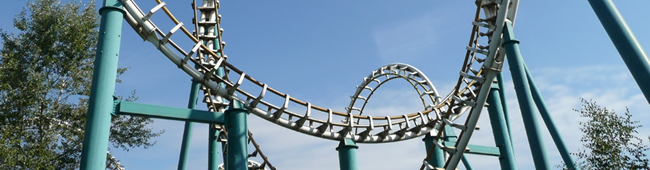
The adventure park opened in 1987 and was to all intents and purposes the very first theme park in the country. Today, it boasts over 30 rides – four of which are roller coasters and two water splashes.
Places to stay
- The Camping and Caravanning Club’s site at Walton on Thames is one of the oldest to bear the Club’s name and Chessington can be reached in just 40 minutes or so by bus – a distance of just over six miles;
- The club also has a site at East Horsley in Surrey, which is around 12 miles from Chessington or 43 minutes by train and bus – with some 130 pitches, the site is open from the end of March until the beginning of November;
- It may be small – only 5 pitches – but Willow Tree Farm Campsite is only a four-mile drive away from the Chessington World of Adventure.
Drayton Manor
Tamworth, Staffordshire, England
What’s there?
Drayton Manor is a theme park near Tamworth in Staffordshire, situated in a massive 280-acre site which was once the estate of Drayton Manor, in a village called Drayton Bassett.
It is estimated that around a million and a half people visit the theme park every year and it has a number of unique rides – the only stood-up roller coaster in Europe, for instance – and the five-sided drop tower called Apocalypse.
The park is fully open from the middle of March until the beginning of November, but also has occasional open days from late November until the end of January.
Places to stay
- You are unlikely to get your caravan much closer to the theme park than the Camping and Caravanning Club’s site at Drayton Manor – it is right next door, and offers 90 pitches, both hardstanding and grass, with and without electric hook-ups;
- Certified by the Camping and Caravanning Club, Willows Farm is conveniently placed in nearby Tamworth, a mere stone’s throw from the theme park at Drayton Manor.

Legoland
Windsor, Berkshire. England
What’s there?
Legoland can be found just outside the royal town of Windsor in Berkshire.
The park is themed, of course, around the building toy for children and was opened in 1996 on the site of the former Windsor Safari Park. When it opened it was second only to its original home, Lego Billund, in Denmark.
In terms of visitor numbers Legoland at Windsor – which attracts more than two million a year – is second only to Alton Towers and is designed to attract children between the ages of 2 and 12 in particular.
Places to stay
- Practically on the banks of the Thames, Hurley Riverside Park caravan and camping site is just 11 miles from Legoland and merits a listing on the official website of the Royal Borough of Windsor and Maidenhead;
- A further possibility, still in the Windsor area, is another family run site for up to five caravans at the Queen’s Acre Caravan and Campsite.
Blackpool Pleasure Beach
Blackpool, Lancashire, England
What’s there?
Amusement parks tend not to come more traditional or with such an illustrious history as Blackpool Pleasure Beach, situated on the appropriately named Ocean Boulevard in Blackpool, Lancashire.
Places to stay
- Blackpool South is a Caravan Club site about five miles due east of the Pleasure Beach – it offers a total of 95 pitches, all on hardstanding;
- Kneps Farm Holiday Park is 7 miles from Blackpool and 2 miles from the coast at Cleverleys – it is a family owned and run caravan site aiming to offer peace and quiet, with all pitches on level hard standing, all with electric hook-ups;
- Eastham Hall Caravan Park is less than 5 miles from Blackpool in the seaside town of Lytham St Annes, where this caravan park is open from the 1st of March to the 1st of December – it offers 28 nightly touring pitches for caravans (13 of which are described as “super pitches” with your own personal water tap and a 16 amp electrical hook-up, whilst the 15 standard pitches have a 10 amp electrical supply).

Lightwater Valley
Ripon, North Yorkshire, England
What’s there?
If you are after one of Europe’s firsts, you might want to visit Lightwater Valley theme park in North Yorkshire for the The Ultimate – the continent’s longest roller coaster ride.
The park can be found at North Stainley in North Yorkshire and is, in fact, one of the country’s longest established venues which opened as long ago as 1969. Today it has more than 40 rides and incorporates a novel “Angry Birds” park, falconry centre, shopping village and restaurant.
It boasts more than half a million visitors a year.
Places to stay
- Riverside Meadows Holiday Park is situated just outside the historic city of Ripon in the Yorkshire Dales, on the banks of the River Ure and a little more than four miles away from the Lightwater Valley theme park – it is one of the Flower of May sites in Yorkshire and offers fully serviced pitches, most of which are on hardstanding;
- If you are happy to travel a little further – 40 miles or so in this case – you might enjoy the rugged scenery of Rosedale Abbey on the North York Moors, at another Flower of May site, Rosedale Abbey Touring Caravan Park, before setting off on your day trip to the theme park;
- The two-acre Bluebell Caravan Park is situated in Kirby Hill near Boroughbridge, and is but a short distance from the theme park at Lightwater Valley
M & D’s Amusement Park
Strathclyde Country Park, Motherwell, Scotland
What’s there?
“M & D’s is Scotland’s theme park” goes the advertising tagline – and with good reason too. It boasts more than 40 rides, including five roller coasters, two water splashes, a covered reptile house called Amazonia, ten-pin bowling, a theatre and an amusement arcade.
M & D’s is near Motherwell, in North Lanarkshire and is open from March until October.
Places to stay
- Only three miles away is the Caravan Club’s Strathclyde Country Park which has 107 pitches, all of hard standing and 12 of which are fully serviced – the park is close to Strathclyde Loch and is open all the year round;
- Blair Drummond Caravan Park may be some 25 miles away but is also conveniently situated for the town of Stirling, Loch Lomond and the Trossachs National Park – the eight and a half acre site has 90 pitches;
- At a similar distance of just over 25 miles is The Woods Caravan Park, near Alva in Clackmannanshire – set in 14 acres of a landscaped site in central Scotland, there are 10 fully serviced pitches;
- The Camping and Caravanning Club has a site at Milarrochy Bay on the eastern shore of Loch Lomond, some 26 miles or so from M & D’s theme park – the site has 150 pitches and is also handily located for day trips into the city of Glasgow.
The Milky Way Adventure Park
Clovelly, Bideford, Devon, England
What’s there?
The Milky Way Adventure Park is situated in North Devon, between Bude (15 miles) in one direction and Bideford (10 Miles) in the other.
The Cosmic Typhoon is Devon’s biggest and fastest roller coaster, but the park also features displays by birds of prey and ferrets, together with a farm and country enclosure.
Places to stay
This being Devon, there is no shortage of sites for touring caravans, so the following are just a very few that you might want to consider when visiting the Milky Way Adventure Park:
- One such is Watermouth Cove Holiday Park, just over 30 miles from the theme park – it has recently installed all weather pitches for touring caravans that include electrical hook-up, TV, personal water tap and grey water waste;
- Just outside Bude, and an easy striking distance of just 15 miles, you can find the Wooda Farm Holiday Park – in addition to its hard standing and grass pitches, the site also offers both covered and open storage facilities for your touring caravan when it is not in use;
- Some 30 miles or so from the theme park, between Ilfracombe & Braunton, is Hidden Valley, a park offering four different types of pitch for touring caravans, all of which are all weather, supplied with a 16 amp electrical hook-up and on hard standing.
Wicksteed Park
Kettering, Northamptonshire, England
What’s there?
Wicksteed Park is said to be the second oldest amusement park in Britain, having been opened in 1921, the result of a bequest by Northampton factory owner Charles Wicksteed.
Since its humble beginnings with little more than a handful of swings for children, the theme park now boasts a total of 26 major rides, including three roller coasters and four water splashes.
The park is located near Kettering in Northamptonshire.
Places to stay
- Wicksteed Park is one of the few theme parks to incorporate a caravan site within its estate so you have nothing but a short walk to start enjoying the rides – pitches are on grass and since you are actually staying on the site, it is easy to qualify for discounted entry to the theme park with a “second day” wristband;
- Slightly further afield in the south of the county, between Milton Keynes and the county capital, about 40 miles from Wicksteed, is the small but tranquil Ekeney House for touring caravans.

Paultons Park
Romsey, Hampshire, England
What’s there?
A place for all the family, Paultons Park, is a part of a 140-acre estate in the village of Ower, near Romsey, Hampshire.
It has around 60 rides and attractions, a small zoo of around 80 birds and animals, but perhaps its main claim to fame is that it is home to the favourite children’s TV character Peppa Pig.
Although first opened in 1983, it has since grown in size, with new rides and attractions being added almost every year.
Places to stay
- Just as the name suggests, Paultons Campsite is but a short walk to the main gates of Paultons Park – accredited by the Camping and Caravanning Club, it is purposely restricted to just five touring caravans;
- Also very nearby, in the same village of Ower is Green Pastures Farm, a caravan site which is open from mid-March until the end of October and has the added advantage of being within easy striking distance of the New Forest National Park;
- If you are looking to base your holiday in the New Forest itself, Long Meadow Campsite in Brockenhurst also gives you the option of a short drive of less than 10 miles to Paultons Park.
Flamingo Land
Malton, North Yorkshire, England
What’s there?
As the name suggests, Flamingo Land began life – in 1959 – essentially as a zoo. The entire park now spans 375 acres and offers a total of 52 rides – nine of which are roller coasters and two water splashes.
Flamingo Land is located near Malton, on the A64, in North Yorkshire.
Places to stay
Close to both the historic city of York and the majesty of the North York Moors, Flamingo Land attracts a number of caravanners to surrounding campsites which include:
- Flamingo Land has their own Holiday Village with a touring field, toilet blocks, electricity pitches, supermarket and laundrette.
- In the village of Slingsby, near Malton (and therefore Flamingo Land) is the Robin Hood Caravan and Camping Park – there are both grassed and hard standing pitches, all of which have water, electric and waste water disposal;
- Vale of Pickering Caravan Park is close to Pickering itself and, so, only one and a half miles from Flamingo Land, as well as the Moors and the coastal resorts of Scarborough and Bridlington – the site’s all weather pitches can be pre-booked and allocated when making a reservation;
- Six hard standing and six grassed pitches may be found at York Meadows Caravan Park, which just as the name suggests is close to the city of York, but still only 16 miles or so from Flamingo Land;
- Jasmine Park is a caravan site located between Pickering and the coast at Scarborough, so only 20 miles or so from Flamingo Land – the all weather gravel pitches are all fully serviced and described as “super pitches”.
Landmark Forest Adventure Park
Carrbridge, Inverness-shire, Scotland
What’s there?
Landmark Forest Adventure Park is within the boundaries of the Cairngorm National Park in Scotland, near to the ski resort of Aviemore.
It offers a range of attractions – for the young, and not so young – such as a trail for “Wee Monkeys”, a Wild Water Coaster, Tarzan Trail, Ropeworx, and Lost Labyrinth to name but a few.
The park opened in 2010.
Places to stay
The rugged beauty of the Cairngorms naturally attracts more than its fair share of caravanners, whose needs are especially well met by sites such as:
- Set in the heart of the Scottish Highlands, the 10-acre Auchnahillin Holiday Park has 45 touring pitches – it is located about 30 miles from the Landmark Forest park;
- Glenmore Campsite is also in the heart of the Cairngorms, near to Aviemore and little more than a five mile drive to Landmark Forest – it offers a huge total of more than 200 pitches for caravans )on both hard standing and grass) and tents.
Special bonus park: Disneyland Paris
Paris, France
What’s there?
Quite right! It is not a British theme park, but Disneyland Paris is still readily accessible after a short hop across the Channel and the name alone still proves a huge draw.
Places to stay
In fact, there are two connected parks – Disneyland Park (which opened in 1992) and the Walt Disney Studios Park (which opened in 2002).
The original park has all the attractions and entertainment that have come to be associated with the Disney name, from thrilling, vertiginous rides to real life cartoon characters, across five different and equally magical “lands”. Just as the name suggests, the Studios focuses more on the continuing film making history of Disney.
Disneyland Paris is situated in the new town of Marne-la-Vallée, about 20 miles east of Paris.
Places to stay
- Campsite Caravaning des 4 Vents is just a 15 minute drive from Disneyland (entrance tickets are for sale onsite) and is set in the quiet rural location of Crécecoeur-en-Brie – pitches are large grassed areas;
- A similar distance away, and also on the Ile de France is L’International de Jablines – there are 150 pitches, each with a 10 amp electrical supply and waste water disposal point.
Summary
As big a surprise as the sheer number of theme parks in the UK (allowing for a bonus one near Paris) is the range, standard and choice of places to stay nearby in your touring caravan.
Hopefully, this guide has helped to identify just what goes to make each theme park unique, how it fits into the surrounding countryside and has given a flavour of the amenities and facilities you are likely to find at the many caravan sites mentioned.
Disclaimer:
Information in this guide was correct at the time of writing. Theme park facilities, opening times, pricing and access arrangements can change, so we recommend checking directly with individual venues before making travel plans.
Reasons to buy a caravan
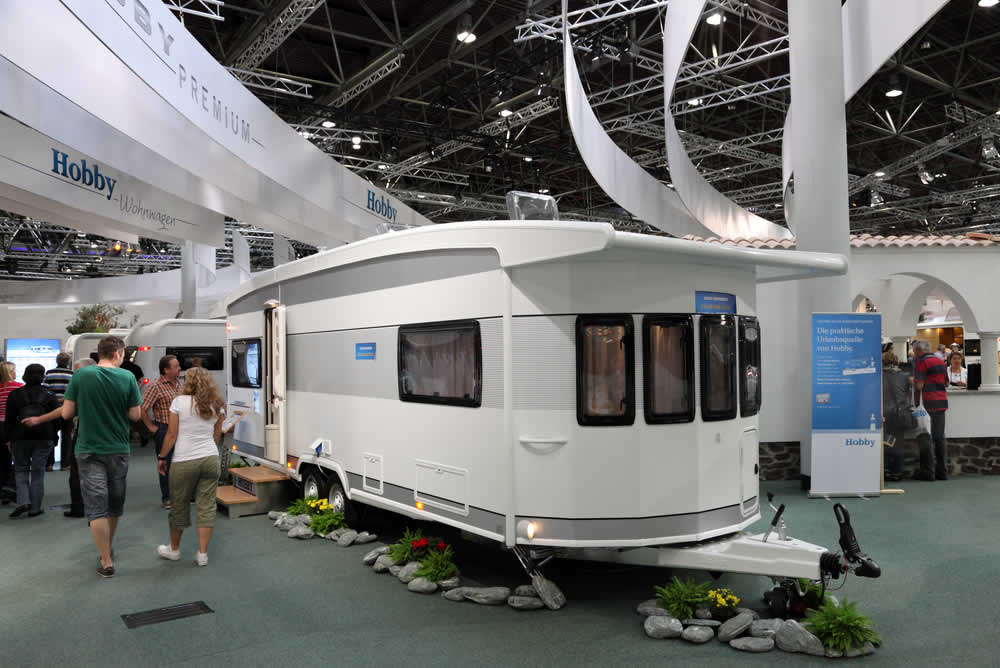
Caravanning is an increasingly popular option for people looking to take their holidays within the UK. It’s a home from home, with no worries about having to book hotel accommodation or fitting everything in to a suitcase for a flight.
We love a caravan holiday! Here we share:
- why staycations are so popular;
- reasons to buy a caravan; and,
- considerations before you buy.
Why a staycation? (Or, 10 good reasons to buy a caravan!)
Rising travel costs, changing travel requirements and the appeal of exploring more of the UK have encouraged many people to consider holidaying closer to home.
By staying within the UK’s varied countryside, coastline and national parks, a caravan holiday can offer flexibility and familiarity alongside the opportunity to travel more frequently throughout the year.
Travel hassle
For some travellers, airports and overseas travel arrangements can feel increasingly time-consuming. Flight delays, security procedures and baggage restrictions may all add complexity to planning a trip abroad.
By choosing a caravanning staycation, you may avoid some of these issues and travel with fewer restrictions on what you can take with you.
Staycationing caravanners
Buying your own caravan may provide a convenient base for regular short breaks or longer holidays without the need to arrange accommodation each time you travel.
With a touring caravan, you have the flexibility to explore different parts of the UK. (Our website includes destination ideas and useful guides).
Alternatively, a static caravan located on a holiday park can provide a familiar retreat that is ready when you are.
Freedom v planning
Planning an overseas holiday often involves booking flights, arranging accommodation, organising transfers and budgeting for additional travel costs.
By contrast, a caravan-based staycation can sometimes be arranged more quickly, particularly outside peak seasons, allowing greater flexibility when deciding when and where to travel.
Home comforts
Many caravan owners value the ability to travel with their own belongings and maintain familiar routines while away from home. This can make breaks feel more relaxed and comfortable compared with staying in unfamiliar accommodation.
Over time, owners often personalise their caravan space to suit their preferences, helping create a genuine “home from home” environment.
Making every day count
Travelling abroad can involve significant time in transit. With a caravan, your holiday may begin as soon as you set off, and you can often make more use of shorter breaks throughout the year.
This flexibility may make it easier to take spontaneous trips or long weekends without extensive planning.
Boredom breakers and spontaneity with a caravan holiday
If you own a touring caravan, you can change locations whenever you choose, subject to site availability. This flexibility allows you to adapt your plans depending on the weather, local events or personal preference.
Even short notice weekend breaks can become more achievable when accommodation is already available to you.
Taking your pets
For many owners, travelling with pets is an important consideration. Provided the caravan site permits animals, your pet can often accompany you, removing the need for kennels or pet-sitting arrangements.
Our guide to caravanning with pets provides further information on preparing for travel with animals.
The cost
Depending on how often you travel and where you stay, owning a caravan may offer a cost-effective alternative to repeated hotel bookings or overseas trips.
However, it is important to remember that there are ongoing costs associated with caravan ownership. These may include site fees, maintenance, storage, insurance and servicing, all of which should be considered when planning your budget.
Access to fresh air
Caravanning is closely associated with outdoor lifestyles. Many caravan sites are located near coastlines, countryside walks and national parks, making it easier to spend time outdoors and explore different regions of the UK.
Caravans and holiday homes are fun!
Caravan holidays can suit a wide range of travellers, from families looking for regular weekend escapes to couples seeking quieter rural retreats. Many holiday parks also offer facilities such as leisure centres, restaurants and organised activities.
These features can help make caravanning an enjoyable and flexible way to travel.
H2: Things you may need to think about before you buy a caravan
Here we touch on some considerations before you buy. At the end of the section, we have provided links to more detailed guides.
Mobility
If you have found a location you particularly enjoy visiting, a static caravan may suit your needs. Static caravans are usually located on licensed holiday parks and are not intended to be moved frequently.
If you prefer exploring different destinations, a touring caravan or motorhome may provide greater flexibility.
It is worth checking the terms of any holiday park agreement before purchasing a static caravan, as parks often have rules relating to occupancy periods, age limits on caravans and permitted usage throughout the year.
Protection
If you are investing in a caravan, you may wish to consider arranging suitable insurance to help protect against risks such as theft, accidental damage or severe weather events, depending on the policy selected.
Insurance may also be required by some caravan parks or storage providers as part of their site conditions.
Here at Cover4Caravans, we aim to help customers compare both touring caravan insurance and static caravan insurance options so they can compare cover options that reflect how their caravan is used.
The level of protection available will depend on the insurer, policy wording and individual circumstances, so it is important to review documentation carefully before arranging cover.
Storage and security considerations
If you own a touring caravan, you may need to think about where it will be stored when not in use. Some owners keep their caravan at home, while others choose secure storage compounds.
Insurers sometimes take storage arrangements into account when assessing risk, so security features such as wheel clamps, hitch locks or approved storage sites may influence the cover available or the premium payable.
At Cover4Caravans, storing your caravan at a CaSSOA-approved site may help reduce the premium, depending on individual underwriting criteria.
Running and maintenance costs
Like any vehicle or holiday property, caravans require ongoing maintenance. Regular servicing helps ensure that gas systems, electrical equipment and structural components remain safe and in good working order.
Other ongoing costs may include:
- site fees;
- storage charges;
- servicing inspections;
- replacement tyres;
- cleaning and upkeep;
- insurance; and
- winter preparation where relevant.
Understanding these costs in advance may help you decide whether caravan ownership is suitable for your lifestyle.
Weighty matters
If you opt for a tourer, your driving licence will normally allow you to tow up to a certain weight, but this depends on when your licence was issued and the combined weight of the towing vehicle and caravan. Please read the Gov.UK website for further information.
Your car manufacturer will also specify the maximum towing capacity of your vehicle, and it is important to ensure your caravan falls within this limit.
Site rules and usage restrictions
Static caravan ownership often involves entering into an agreement with the site operator. These agreements may include rules relating to:
- how long the caravan can remain on site;
- whether sub-letting is permitted;
- seasonal occupancy limits;
- maintenance responsibilities; and
- pitch fee increases over time.
Understanding these conditions before purchase can help avoid unexpected costs later.
Resale and depreciation
As with most leisure vehicles, caravans may reduce in value over time. Factors such as condition, age and manufacturer reputation can influence resale value.
Some holiday parks also apply age limits to caravans kept on site, which may affect how long a static caravan can remain in its original location.
Considering resale potential at the outset may help you make a more informed purchasing decision.
Further reading:
Summary
The above highlights some of the reasons people choose to buy a caravan, together with some practical considerations to review before making a purchase decision. For many owners, caravanning offers flexibility, convenience and the opportunity to explore more of the UK at their own pace.
If you’re still considering whether caravan ownership is right for you, researching the different types of caravans available and understanding the ongoing commitments involved may help you decide whether it suits your travel plans and lifestyle.