
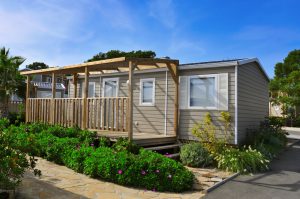
Buying a static caravan is an exciting step and can provide years of enjoyment, whether you are looking for regular family holidays, weekend escapes or a place to relax and unwind. For many owners, however, a static caravan is also a significant financial investment, making it important to think carefully about how it is protected.
Like any property, a static caravan can be exposed to a range of risks throughout the year. Severe weather, flooding, fire, theft, vandalism and accidental damage can all result in unexpected costs and disruption. In addition, if visitors or guests are injured, or their property is damaged in connection with your caravan, you could potentially face a claim against you.
This is where static caravan insurance may play an important role. Depending on the policy and level of cover selected, insurance may help protect the caravan itself, its contents and your potential liability to other people. The cover available, however, can vary significantly between insurers and policies, so it is important to understand exactly what protection is included and any conditions or exclusions that may apply.
In this blog, we explain some of the key things you need to know about static caravan insurance, including site requirements, public liability cover, letting your caravan to guests and other important considerations that may affect the type of cover that is suitable for your circumstances.
Can I live in my static home permanently?
- although they are bought as a second or holiday home, one of the first questions asked by many new owners is whether they can live in their static caravan as a permanent home all the year-round;
- generally speaking, a static caravan is, indeed, a holiday or second home – it is not designed to be lived in as your main place of residence;
- this is also reflected in the policies of most of the parks and resorts on which your static caravan is pitched – they close for certain periods of the year when their occupation is prohibited even for owners;
- legally, you must have a permanent residence, which must be known as your ‘main address’. This cannot be your holiday home. A static caravan is generally used for leisure and holiday purposes only. In most circumstances, static caravans are intended for holiday and leisure use rather than permanent residential occupation. Specific rules may vary depending on the site and the terms of any agreement you enter into.
The lease agreement
- the lease agreement – and, with it, the rent you pay to pitch your static caravan in the park or resort – is critical and bears very careful reading and understanding, so that you are fully aware of the respective obligations and responsibilities you have as the owner and those of the park management;
- for example, you will be responsible for maintaining your static caravan in a good state of repair and for keeping its surroundings clean and tidy – including any outbuildings or fence you own on the pitch you have leased;
Static caravan insurance
- a further important condition of your lease is likely to be your responsibility for arranging suitable static home insurance. Your site owner may offer you their own preferred caravan insurance cover, but in most cases, you are under no obligation to accept their static home insurance – you are free to source your own cover;
- however it is arranged, static caravan insurance provides a critical safeguard against the risk of loss or damage to your holiday home, but also typically may include protection against claims that may be made against you as the owner of the property by third parties who may have been injured or suffered damage to their own property through some connection with your static caravan;
- indeed, that public liability insurance is one element on which the park management is likely to insist that you have adequate cover – for the protection of other park residents, their visitors, and members of the public – and they may reasonably ask for proof of your having arranged suitable cover;
Letting your static home
- the park which is host to your static home is unlikely to raise any objection to your letting the property whenever you choose – but it is important to check first;
- some parks and resorts encourage the practice since it helps you to offset the cost of your pitch fees, maintenance and other expenses;
- but if you take that opportunity to earn extra income from letting your holiday home, this is another factor to consider when reviewing your insurance requirements;
- the additional use to which the property is put is likely to mean that you require some form of specialist static home insurance – insurance that takes into account those periods of heightened risk when your home is temporarily occupied by tenants;
How long can I keep my static home on its pitch?
- this is another of those questions best addressed through scrutiny of your lease agreement and discussion with the owners or managers of the site or resort;
- some parks may have a maximum limit of, say, 15 years on the age of any static caravan berthed there, for example, while others may specify no particular age for the holiday home, provided it is kept in a good state of repair;
- determining and keeping clearly in mind your security of tenure, of course, is a matter to be negotiated before you sign any lease agreement.
These – and other important considerations regarding your enjoyment of your static home – are questions you need to address before purchasing a static home and before signing any lease agreement with the management of the park on which it is pitched.
Need help arranging static caravan insurance?
Choosing the most appropriate insurance for your static caravan can sometimes feel complicated, particularly if you are letting it to guests, keeping valuable contents inside or have specific requirements set by your holiday park.
At Cover4Caravans, we can help you explore the insurance options available and explain the features and benefits of different policies. Whether you have recently purchased a static caravan or are reviewing your existing cover, our team can discuss your circumstances and help you find insurance that may be suitable for your needs.
For more information or a quotation, get in touch with Cover4Caravans today.
Further reading