Choosing a caravan site
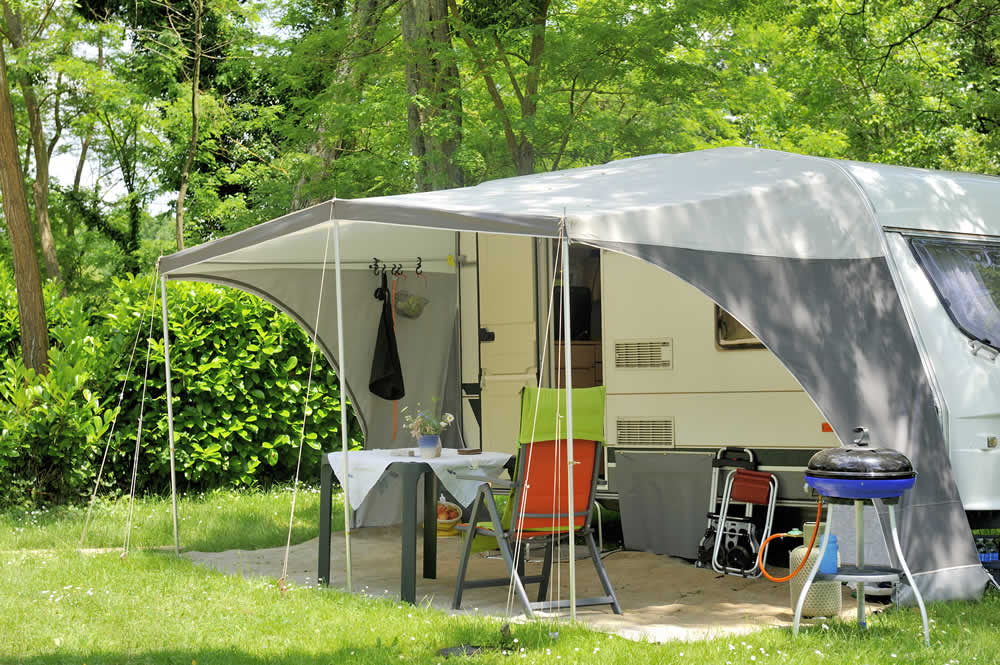
It might be the start of all the fun and excitement of your next caravan holiday – or it could prove a disaster. Choosing the right caravan site for you and your family is likely to make all the difference between success and failure, heaven and hell.
The perfect campsite is likely to be an extremely elusive find. Caravan owners tend to be a pretty special group of individuals, so choosing a campsite for your caravan is likely to reflect that huge range of personal tastes, holiday locations and the kind of atmosphere that different sites may have.
There are nevertheless a few tips which may help it easier for you to make the choice from the huge range of sites in this country and abroad. We’ll even suggest a few of the caravan sites in this country that are open all the year round.
Choosing the right campsite is likely to be a question of choosing the campsite that best suits you – and your family’s – particular wishes.
Home or away
Probably one of the biggest attractions of towing a caravan is having your own home on the move. With a fully-equipped caravan and a suitable towing vehicle, it really is the open road, leading to wherever you may choose.
But that open road may still keep you reasonably close to home – if you are new to the whole adventure of caravanning or simply choosing not to travel too far, for instance. On the other hand, a short hop across the channel may open the doorway to more different and more distant fields anew.
A small collection of islands they may be, but the British Isles hold plenty of contrasts and variety to attract seasoned caravanners year in and year out. The Caravan Club has a large searchable database, organised by the various regions throughout the UK, of approved campsites.
If you are more adventurous at heart and want to see more far flung places, you might want to take your caravan abroad with you. Thanks to it being an island, Britain is a gateway for a surprising number of offshore destinations – as the Camping and Caravanning Club points out, for example, ferries from the UK serve Orkney and Shetland, and the Channel Islands and further afield to Ireland, Belgium, Denmark, Holland, France, and Spain.
To tour or not to tour
You may be towing a touring caravan, but that does not mean that you need to stay on the road every day if you choose not to.
It all comes back to that carefree freedom that caravanning offers – decide to stay more or less in one place and you have with you all the comforts of your own second home; decide to spend more of your time touring and you still have that home to retire to at the end of each and every day.
Deciding whether you want more of the one than other may be one of the key tips to choosing a campsite for your caravan – or, indeed, a whole sequence of campsites.
Activities and events
If you like to combine holidays in your caravan with a variety of activities and events it clearly makes sense to base your choice of campsite on one that offers easy access to your chosen activities and pastimes.
Walking and cycling may be among the most popular activities for those visiting the countryside or coast in this country and in Europe.
Some guides, for example, make particular point of selecting campsites that offer the ideal springboard for exploring the countryside in the UK from bases in some of the most beautiful locations the country has to offer.
One such guide is published by the National Trust, which highlights a whole range of activities from walking and cycling, to running and climbing, canoeing and surfing – and even something called geocaching (a type of GPS-driven treasure hunt).
You may also wish to read our Guide to caravanning for cyclists and Caravanning for adrenaline junkies for tips and destination ideas.
Family fun
Caravanning has a way of bringing together a host of elements that make it ideal for a family holiday. Some sites make it their business to be especially family-friendly and it is these that you may want to look at in the first instance.
Choosing a campsite, therefore, may be oriented towards exactly the kind of holiday your family may be looking for:
- choose a traditional bucket and spade adventure for the tinier tots; or
- a sports and adventure activity fest for slightly older children;
- organise your holiday to take in a few historical and educationally rewarding visits; or
- simply kick back and enjoy a few days away with the children whatever their age.
The website Pitchup.com lists nearly 5,000 family-friendly campsites throughout the UK and Ireland that have been particularly recommended by other families and the searchable database allows you to choose between sites according to the ages of your children or the activities in which they may be interested.
Getting away from it all
Does all the talk of activities, adventure, and excited children tend to put you off the whole idea of caravanning?
If so, your choice of a campsite for a caravan is likely to be dictated by your ability to escape the madding crowd for a little piece of the bucolic English countryside you might almost call your own.
There are, indeed, a number of such campsites – making the focus of their attraction the fact that they are small (many with room for no more than five touring caravans) and tucked away in the quieter corners of the countryside.
Small campsites such as those recommended by the appropriately named website Small Campsites or the small, handpicked Certified Locations reserved for members of the Caravan Club are specifically intended to provide peace, quiet and a relaxed atmosphere in a rural setting.
When choosing a campsite for your caravan, therefore, it may be helpful to return to very first principles by recognising that the campsite of choice is just that – your choice. That personal choice is likely to depend on a host of factors, such as whether you are looking for a holiday in this country or in Europe, whether you want a touring holiday or one that involves rather less travelling, whether you want access to activities and adventure, or a holiday for the family – or simply the chance to get away from it all and enjoy a little peace and quiet.
Our Caravanning for Adults guide details some of the quieter places you may wish to visit.
Open all year-round sites for caravanners
It seems that the caravanning season if often over before it even got started. As the seasons blend into Autumn’s mists and mellow fruitfulness, that doesn’t stop us hardy caravanners who enjoy a trip the whole year-round, however.
And the growing number of campsites that remain open 12 months of the year make Autumn and Winter caravanning every bit a delight as it is in the balmier days of Spring and Summer.
So, here is our brief round-up of just some of those all-year-round sites you might want to visit.
South of England
The more temperate climate of the South of England makes touring with your caravan a perfectly reasonable prospect at any time of the year – even in mid-January.
The Caravan and Motorhome Club’s site at Brighton is just two miles from the bustling town itself and nestled in a quiet fold of the beautiful South Downs. It’s likely to prove the perfect spot for touring the whole of the southeast of the country.
With a lots of pitches to choose from, the winter months are, of course, likely to be the quietest.
Further reading: 6 things to do in Kent.
Wales
If you want to enjoy the truly rugged landscapes of North Wales during the Autumn and Winter, you’ll find Plas Farm Caravan Park open all the year-round.
All touring caravan pitches are on hard standing and have electric hook-up, allowing you to choose between standard, premier, and super standards of luxury.
For exploring, try the inviting North Wales coastline or head west into the majesty of Eryri (previously Snowdonia) National Park.
Midlands
The Peak District is beautiful at any time of year, so take advantage of the all-seasons opening times at Lickpenny Caravan Park, in the heart of the Derbyshire Dales, overlooking the village of Tansley, with both Matlock and Bakewell nearby.
The 16-acre site has hard standing pitches for all its visiting touring caravans – and the washroom blocks are fully heated to keep you warm and snug even in the height of winter.
More ideas: Visit stunning Shropshire.
North of England
There are so many scenic spots to visit in the North of England – with the Northumberland coast to the east and the Lake District to the west probably the most travelled.
So, why not make a change and head towards the historic city of Chester? Just 12 miles away, you’ll find Elm Cottage Touring Park is open all year round and a handy base for exploring the whole of this part of England. Oulton Park Motor Racing Circuit is just a mile along the road.
All 35 touring pitches are on hard standing and supplied with a 10amp electric hook-up.
Scotland
Take a trip north of the border to visit Scotland’s magnificent capital. Edinburgh is much more than its famous festival in the summertime. For a special Yuletide, why not visit its many Christmas markets – and stay on for probably one of the nest New Year’s Eve parties you’re likely to encounter.
Linwater Caravan Park is perfectly situated for those wanting to explore the city at their leisure. It is just 4 miles away from the Ingliston Park & Ride scheme, where you can hop on one of the regular trams into the heart of Edinburgh.
More inspiration: Explore Scotland and Ten places to visit in Scotland in your ‘van.
We hope these tips and destination ideas have proved useful in your search for the right camping and caravanning site for you. Happy caravanning!
Caravanning checklist: Getting your caravan ready for autumn trips
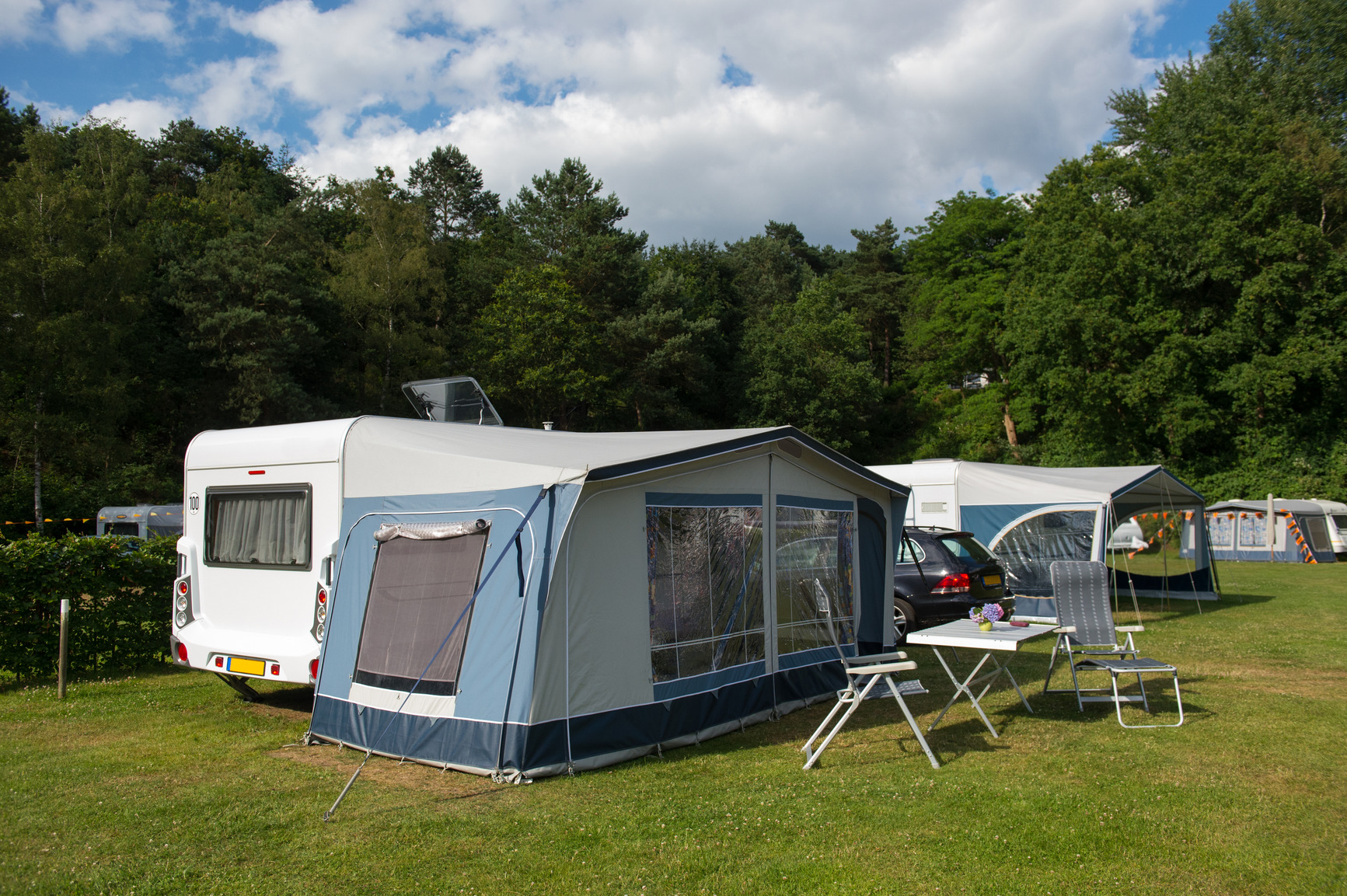
September doesn’t have to mean the end of the touring season. With the summer holiday rush easing, it can be a lovely time to get away in your caravan. Campsites and attractions may be quieter, while there can still be plenty of pleasant days to enjoy.
But autumn can also bring shorter days, cooler evenings and less predictable weather. Before setting off, working through an autumn caravanning checklist can help you prepare for the changing conditions.
What should I check before an autumn caravan trip?
Before an autumn caravan trip, carry out the same essential caravan safety checks you would make before any journey, paying particular attention to anything that may have deteriorated during a busy summer.
Check your caravan’s tyres for their general condition, correct pressure and any visible signs of damage. Don’t forget the spare if you carry one. Make sure the road lights and indicators are clean and working correctly, and check the brakes and towing equipment are in good condition.
The breakaway cable should be in good condition and correctly attached when you hitch up. If you are unsure how it should be fitted, follow the manufacturer’s instructions.
Inside the caravan, check that the leisure battery is charged and your water system is working as expected. Gas appliances and heating should also be checked and used in accordance with the manufacturer’s instructions.
How should I prepare my caravan for autumn weather?
Preparing your caravan for autumn means being ready for cooler, wetter and potentially windier conditions than you may have experienced during summer.
Check the weather forecast for your route and destination before leaving and continue to monitor it while you’re away. It’s also worth testing your caravan’s heating before the trip rather than discovering there’s a problem when the temperature drops at night.
Condensation can become more noticeable as outside temperatures fall, so maintain appropriate ventilation and avoid blocking permanent vents.
If you use an awning, take particular care when strong winds are forecast. Follow the manufacturer’s guidance and be prepared to take it down if conditions become unsuitable.
A torch is also a useful addition to your autumn kit. By late September, you’ll have considerably less evening daylight than you enjoyed at the height of summer.
Does towing a caravan change in autumn?
Autumn conditions can make towing more challenging, particularly when roads are wet, winds are stronger or visibility is reduced.
Allow plenty of time for your journey and adapt your driving to the conditions. Wet roads and fallen leaves can reduce grip, while strong crosswinds may affect the stability of a caravan.
Before leaving, make sure your towing mirrors are correctly fitted and that your vehicle and caravan lights are clean and working. This becomes increasingly important as daylight hours shorten.
If severe weather is forecast, consider whether your journey can safely be postponed. GOV.UK provides current guidance on driving in adverse weather conditions, including advice for driving in wet and windy weather.
What should I pack for an autumn caravan trip?
Alongside your usual touring essentials, a few autumn-specific items can make September caravan trips more comfortable.
Consider packing:
- waterproof coats and suitable footwear;
- extra warm layers;
- a torch and spare batteries;
- a basic first-aid kit;
- a phone charger or power bank;
- breakdown details; and
- your touring caravan insurance and vehicle documents.
Looking for destination inspiration?
Check out:
- Autumn caravanning in the UK: Cosy escapes
- 5 destination ideas for Autumn in your ‘van
- Autumnal break ideas
If you’re staying somewhere rural or walking from the campsite, suitable outdoor clothing and a reliable torch can become much more important as the evenings draw in.
Should I check my caravan insurance before travelling?
Yes, checking your caravan insurance before setting off is a sensible addition to your autumn caravanning checklist.
Make sure your policy details remain accurate and that the cover you have selected remains appropriate for how you use your caravan. Check the relevant limits, conditions and exclusions, including any requirements relating to security or where the caravan is stored when you’re not using it.
It’s also worth checking what you need to do if your circumstances have changed since taking out the policy.
At Cover4Caravans, we understand that every caravanner uses their caravan differently. If you’re reviewing your caravan insurance ahead of your autumn travels, you can get a quote online or speak to our team to discuss your requirements.
Enjoy your autumn caravanning
Caravanning in September and early autumn can offer a different experience from peak-season touring. Quieter destinations, changing landscapes and cooler evenings can all be part of the appeal.
A few additional checks before leaving can help you prepare for changing weather, shorter days and autumn road conditions – leaving you free to make the most of those final trips before winter arrives.
Further reading: Caravanning Checklist.
This article provides general information only. Always follow manufacturer guidance and check current driving and towing requirements before travelling. Caravan insurance cover, terms, conditions, limits and exclusions vary between policies, so please check your policy documentation to ensure your cover meets your needs.
What a scorcher! Catch up on the latest caravanning news

Hopefully these long, hot days of summer have given you plenty of opportunities to get out and about in your caravan. To help stave off any mid-summer madness, here is a round-up of some of the latest caravanning news headlines.
Yorkshire takes top spot for UK road trips
Summer road trips can bring their share of challenges, from queues on busy routes to limited fuel stations and EV charging points.
That may all help to explain why Yorkshire – with destinations including York, Harrogate, Skipton and Whitby – has been named a top UK road-trip destination, according to Caravan Times recently.
Yorkshire performed strongly in the survey thanks to factors including motorway access, traffic levels, petrol stations and access to EV charging points.
Holiday tradition continues for an incredible 61 years
You know how some things just click when you roll up for your first visit to a caravan park – everything falls into place from that very first moment.
Then you might recognise the attraction that has kept one happy camper returning to the same holiday park every year for the past 61 years.
That is the tale reported by the BBC. Richard Dowell, 78, from Hull, first visited Cowden Holiday Park on the East Yorkshire coast in 1965 and has continued returning ever since.
The park has become a real home from home for Richard, who has made many friends there over the decades and is also well known for taking to the karaoke stage in the park’s clubhouse.
The surprising caravanning connection behind James Bond’s ‘M’
Some things really are stranger than fiction. It turns out that Sir Mansfield Cumming, the first Director of what became MI6 and widely linked with the inspiration for James Bond’s “M”, was also an early member of the Caravan Club.
As recently reported by Out and About Live, Sir Mansfield appears in the Club’s early membership records. He was known for signing official papers with a single capital “C” in green ink – a practice associated with the head of the Secret Intelligence Service.
The connection has been highlighted as the Caravan and Motorhome Club Collection marks 20 years at the National Motor Museum in Beaulieu, Hampshire. To mark the anniversary, a new showcase, Caravanning in the New Forest, has also opened at the museum.
New budget-friendly Airstream unveiled
There is good news for lovers of the iconic Airstream caravan imported from the United States.
Retaining the instantly recognisable shape and many of the features associated with Airstream, a new version has recently gone on display at a considerably lower price point, reported Practical Caravan on the 25th of June.
The new Airstream World Traveler 22RB measures 7.21 metres in length and is a four-berth, single-axle tourer. At the time of writing, it is advertised at £72,995, while models in Airstream’s existing International range cost more than £100,000.
Is your caravan ready for the bank holiday?
The August Bank Holiday is generally one of the busiest weekends for caravan owners. If you’re planning to be on the road during the holiday, therefore, careful preparation is likely to be more important than ever.
To help you prepare your caravan for a bank holiday trip, here are some of the questions to ask yourself by way of a practical checklist.
What should I check before towing a caravan?
There are some checks that are worth making second nature so that they’re carried out before every journey. These include a thorough visual inspection of:
- the towing hitch;
- jockey wheel;
- any stabiliser wheel – where fitted;
- electrical connections; and
- brake lights and indicators.
These are all such critical, potentially life-saving checks, you will probably want to carry them out everytime before taking to the road.
How do I know if my caravan is overloaded?
It’s doubly important to make sure your caravan is not overloaded. It’s vital for the safety of you and all other road users. And an overloaded caravan will leave you on the wrong side of the law. So, make sure you understand and check your rig for the following:
- MTPLM (Maximum Technically Permissible Laden Mass) – this is the absolute heaviest your caravan is legally allowed to weigh when fully packed and includes the empty weight of the caravan, gas bottles, water, baggage and accessories;
- an even weight distribution – with the maximum load as far as possible over the caravan’s axle;
- avoid overloading the lockers – especially the overhead lockers which could disturb the caravan’s centre of gravity; and
- understand the manufacturer’s declared towing limits.
Inspect your tyres
The tyres form the only contact with the road of your caravan and everything within it, so make sure to check:
- tyre pressures;
- tread depth;
- cracking, splitting, and ageing; and
- the condition of the spare wheel.
Remember that your caravan tyres may need replacing because of their age and not just through visible wear. Our blog: How old are your tyres? covers this in a bit more depth.
Don’t forget the breakaway cable and mirrors
The breakaway cable is a vital safety device that applies the caravan’s brakes if it becomes detached from the towing vehicle. Before setting off, check that it is correctly attached to the towbar, the spring clip is securely closed, and the cable is not twisted or wrapped around any part of the towbar.
You are legally required to have a clear view of the road behind you when at the wheel of your car. Your caravan is likely to be wider than your car, so specially extended towing mirrors may be needed to maintain that good rear visibility.
Check your documents and insurance
Important documents to keep with you include (but are not limited to):
- caravan insurance documents for the caravan and towing vehicle – complete with your understanding of the terms, conditions, and exclusions of those insurance policies;
- driving licence;
- breakdown details and agreement;
- campsite booking confirmation; and
- emergency contact details.
Planning to tow your caravan abroad? Before you travel, check whether you need any additional documentation for the countries you’ll be visiting. Depending on your destination, you may need extra documents for your towing vehicle, caravan, insurance, or your own travel arrangements. As entry requirements can change, it’s worth checking the latest official guidance before setting off.
What emergency equipment should I carry when towing a caravan?
Whenever you take to the road – especially when towing a caravan – it is as well to be prepared for any eventuality. Your go-to emergency kit may include the following items:
- first aid kit;
- warning triangle – in some European countries, it will be essential;
- high-visibility vest;
- torch;
- basic tools;
- wheel brace;
- spare fuses;
- phone charger; and
- bottled water.
Make sure to check what on-board emergency kits you may need if you are travelling abroad. Don’t just consider your destination, but any countries you are driving through too.
Before you leave: What should be included in a caravan travel checklist?
To sum up, then, the following checks and items are likely to appear on your caravan travel checklist:
- is the tow hitch secure;
- is the breakaway cable properly attached;
- are the lights working;
- have you checked the tyres;
- is the caravan correctly loaded;
- are the appropriate wing mirrors fitted;
- have you packed the insurance documents; and
- do you have an emergency kit on board.
Safe travelling!
Carrying out these simple checks before any outing with your caravan may help you avoid roadside emergencies and make your journey safer and more enjoyable.
Before setting off this August Bank Holiday, you might want to review your caravan insurance to ensure it remains up to date and suitable for your needs, while bearing in mind that the detailed cover, terms, conditions, and exclusions may vary from one insurer to another.
Why we love having our dogs on holiday

For many people, taking their dog on a caravan holiday simply makes the experience more enjoyable. Dogs are part of the family, they encourage us to spend more time outdoors, provide companionship and often help us discover new places to explore together. With a little planning, caravan holidays can be rewarding for both owners and their four-legged companions.
Why do people take their dogs on caravan holidays?
Most owners take their dogs on holiday because they see them as members of the family.
Rather than leaving them with relatives or in kennels, many people prefer to share their holiday with them. Whether it’s relaxing outside the caravan, exploring new countryside or enjoying a coastal walk together, dogs are often happiest when they’re included in family activities.
Do dogs enjoy caravan holidays?
Many dogs adapt very well to caravan holidays because they enjoy spending time with their owners and exploring new environments.
New walking routes, beaches, forests and open countryside provide plenty of opportunities for exercise and mental stimulation. Although every dog is different, most settle quickly provided their usual feeding and exercise routines are maintained.
Are caravan holidays good for dogs?
Caravan holidays can be an excellent choice for many dogs because they combine regular exercise, outdoor activities and quality time with their owners.
Daily walks often become longer and more frequent than they are at home, while new sights, smells and experiences provide valuable enrichment.
Can dogs stay in a touring caravan?
Yes, provided the caravan park allows pets and your dog is comfortable in the environment.
Many modern caravan parks welcome dogs and offer facilities such as exercise areas, dog walks and nearby pet-friendly attractions. Before booking, it’s worth checking the site’s pet policy, as some parks limit the number of dogs or require them to be kept on leads in certain areas.
How do you prepare for a caravan holiday with your dog?
A little preparation before you leave can help ensure your holiday goes smoothly.
Check your caravan insurance
Before travelling, read your touring caravan insurance policy documents so you understand any conditions relating to pets.
For example, some insurers may place conditions on leaving pets unattended inside a caravan or expect reasonable precautions to be taken to prevent accidental damage. Always check your own policy wording before travelling.
Research your destination
Before you arrive, find out where you can walk your dog safely and whether any local beaches, nature reserves or attractions have seasonal restrictions.
Doing a little research beforehand helps you spend more time enjoying your holiday and less time looking for somewhere suitable to exercise your dog.
Know where the nearest vet is
One of the most useful things you can do before arriving is identify the nearest veterinary practice.
If your dog becomes ill, is injured or eats something they shouldn’t, knowing where the nearest daytime and emergency vet is can save valuable time. It’s also sensible to keep their telephone number in your mobile phone throughout your trip.
Pack everything your dog needs
Before setting off, remember to pack:
- food and treats;
- fresh water and bowls;
- lead, harness and spare lead;
- bedding;
- favourite toys;
- poo bags;
- towels;
- any medication;
- first aid kit;
- ID tags; and
- vaccination or pet travel documentation if required.
If you’re travelling abroad, check the latest pet travel requirements well in advance, as entry requirements can change.
Help your dog settle in
Most dogs settle quickly into caravan life, especially if you keep their routine as normal as possible.
Taking familiar bedding and favourite toys can help them feel at home, while washable throws can help protect your caravan’s upholstery from muddy paws and wet coats.
Is taking your dog on a caravan holiday worth it?
For many owners, absolutely.
Taking your dog away means they can share in the adventure, enjoy new places to explore and spend more time with the people they know best. With a little preparation, caravan holidays can create lasting memories for every member of the family—including the four-legged ones.
Frequently asked questions
Can dogs sleep in a caravan?
Yes. Most dogs settle well in a caravan, particularly if they have familiar bedding and their normal routine is maintained.
Should I find a vet before arriving?
Yes. Knowing where the nearest veterinary practice is before you need it can save valuable time in an emergency.
Can dogs be left alone in a caravan?
Always check your campsite rules and your caravan insurance policy. Even where permitted, it’s generally advisable not to leave dogs unattended for extended periods, particularly in warm weather.
What should I pack for my dog?
Food, fresh water, bowls, bedding, leads, medication, poo bags, toys, towels and ID tags are all sensible essentials.
For your dog’s safety while travelling, it’s also worth packing a properly fitted travel harness, secured travel crate or pet barrier to help keep them safe during the journey. A pet first aid kit, cooling mat for warm weather, spare collar and lead, and a recent photograph of your dog can also prove invaluable if they become lost or need veterinary attention while you’re away.
Further reading: Guide to caravanning with pets