Static caravan vs touring caravan: key differences owners should understand

There’s nothing quite as cosy and welcoming as a caravan holiday. But whether you choose a static caravan or a touring caravan, the ownership experience – and the insurance considerations – can differ significantly.
A static caravan is typically installed on a fixed pitch within a licensed leisure park, while a touring caravan is designed to be towed between locations. Because they are stored, transported, and used differently, insurers usually assess them under separate risk categories.
Understanding the differences between static caravan vs touring caravan insurance can help you arrange cover that more closely reflects how your caravan is actually used.
What is a static caravan?
A static caravan is typically sited on a permanent or semi-permanent pitch within a purpose-built holiday park.
These caravans are usually connected to utilities such as electricity, water, and drainage, and their use is commonly governed by site licence agreements. These agreements may include occupancy rules, seasonal usage limits, and maintenance responsibilities.
Static caravan insurance is normally designed to reflect risks associated with a fixed location. Depending on the park’s setting, this may include exposure to storm damage, flooding, falling trees or debris, vandalism while parks are closed, and public liability risks linked to the pitch.
You can read more about what may typically be included under static caravan insurance.
Although some park operators may offer their own insurance schemes, in most cases, owners are not usually required to purchase caravan insurance cover through the site provider.
Arranging specialist static caravan insurance independently may provide greater flexibility, provided the policy meets the park’s licence requirements and conditions.
It may also be sensible to check whether your park specifies minimum liability limits as part of its static caravan site licence insurance requirements.
What is a touring caravan?
A touring caravan is designed for mobility and can be towed between destinations throughout the year.
This flexibility introduces a different set of risks compared with static caravan ownership. Touring caravans may be exposed to towing incidents, accidental damage while travelling, theft from temporary locations, or damage while stored between trips.
Touring caravan insurance is therefore typically structured around how the caravan is transported, secured, and stored when not in use. You can learn more about touring caravan insurance here.
Storage arrangements can be especially important. While some touring caravans are kept at home, in storage compounds, or on campsites, insurers often apply conditions about acceptable locations.
Informal storage sites such as open farmland or unsecured fields may typically be unsuitable because they present a higher theft risk and limited physical protection.
Many insurers set minimum expectations around storage arrangements, particularly where caravans are not kept at recognised secure facilities such as those described in secure caravan storage guidance. Some insurance providers, such as us here at Cover4Caravans, may offer discounted premiums where caravans are stored at Caravan Storage Site Owners’ Association (CaSSOA) approved sites.
Additional precautions such as wheel clamps, hitch locks, or tracking devices may also form part of insurer security requirements, depending on where the caravan is stored. Read more: Guide to caravan storage and security.
Key ownership differences that affect insurance risk
Comparing a static caravan vs touring caravan highlights several practical differences that insurers typically take into account:
- static caravans usually remain on a licensed pitch throughout the season;
- touring caravans are regularly transported between destinations;
- site licence rules often restrict how static caravans may be occupied;
- touring caravans may face additional transit and towing risks;
- static caravans may be exposed to environmental risks linked to their permanent setting, especially on coastal or elevated parks;
- touring caravans usually require secure off-season storage that meets insurer expectations;
- static caravan owners may need to comply with maintenance conditions set out in pitch agreements.
Because these risks differ, static caravan insurance and touring caravan insurance are usually arranged under separate policy types rather than interchangeable cover.
Understanding how caravan storage and usage affect insurance cover can help ensure the protection arranged reflects your circumstances.
It is also important to notify insurers of changes affecting the caravan’s location, storage arrangements, or use. Further guidance is available in our caravan insurance FAQs.
Static caravan vs touring caravan insurance: what’s the difference?
Static caravan insurance typically focuses on risks associated with a fixed pitch location, including weather-related damage, site-specific hazards, and public liability linked to the caravan’s position within the park.
Touring caravan insurance, by contrast, generally reflects risks linked to mobility, including towing incidents, temporary siting risks, accidental damage away from storage locations, and theft while travelling or parked.
Some policies may also offer features such as:
- new-for-old caravan insurance cover;
- optional caravan contents insurance;
- protection for caravan awnings;
- loss of use caravan insurance cover.
Availability will depend on the insurer and the terms and conditions of the policy.
Choosing insurance that reflects how your caravan is used
When comparing static caravan vs touring caravan insurance, it may be helpful to consider where the caravan is located for most of the year and how often it is moved.
For example:
- static caravan policies may place greater emphasis on site-based risks such as storms, flooding, and third-party liability;
- touring caravan policies may place greater emphasis on transit damage, theft risk, and storage security arrangements.
Before arranging cover, you may wish to:
- check any insurance requirements set out in your park licence agreement;
- confirm whether your storage arrangements meet insurer expectations;
- notify your insurer if the caravan’s use or location changes;
- review cover limits periodically so they continue to reflect replacement values.
Understanding the differences between static caravan vs touring caravan insurance can help ensure your policy reflects how your caravan is stored, used, and protected throughout the year.
FAQs: static caravan vs touring caravan insurance
Do static caravans need different insurance from touring caravans?
Yes. Static caravans are typically insured under policies designed for fixed-pitch risks, while touring caravans are usually insured under policies that reflect transit exposure and storage requirements. See static caravan insurance for more details.
Do I have to buy insurance through my static caravan park?
In many cases, no. Some park operators offer insurance schemes, but owners can often arrange independent specialist cover provided it meets site licence requirements.
Where can I store a touring caravan when not in use?
Touring caravans may sometimes be stored at home, on campsites, or in recognised storage compounds. Insurers often set security conditions, and informal locations such as unsecured farmland are typically not acceptable.
Does touring caravan insurance include towing cover?
Some policies may include protection against damage while the caravan is being towed, although the level of cover varies and will depend on policy terms and conditions. Further details are explained here: touring caravan insurance.
Is CaSSOA storage required for touring caravan insurance?
It is not always required, but some insurers may offer improved terms if the caravan is stored at a Caravan Storage Site Owners’ Association approved facility because of the higher security standards.
Static caravan insurance explained: what owners need to know

Owning a static caravan is one of the pleasures of holiday home ownership. Whether it sits on a quiet countryside park or a lively coastal site, it offers a place to escape and relax whenever you choose. But unlike a permanent house, a caravan sits in a very different environment and is often left empty for long periods.
That difference matters when it comes to insurance.
Some new owners may assume their static caravan will fall under a normal household policy. Static caravans, however, face risks that standard home insurance simply is not designed to cover and that is why specialist static caravan insurance exists.
If you have recently bought a caravan, or are reviewing your existing policy, it is worth understanding how this type of cover works.
What is static caravan insurance?
Static caravan insurance is a policy designed specifically for caravans that remain on a fixed pitch, usually within a holiday park. Unlike touring caravans, which are towed from place to place, static caravans stay in one location for extended periods.
As a result, they can be exposed to certain risks over time. Weather conditions are often one of the main concerns, particularly in coastal areas where storms and high winds are more common. Caravans may also be empty for weeks or months between visits, which can increase the risk of theft or vandalism.
A dedicated insurance policy helps provide protection against these kinds of unexpected events. For many owners, it simply offers reassurance that their holiday property is properly safeguarded.
You can learn more about available static homes and cover options in our Guide to static homes.
Why specialist caravan insurance matters
Holiday parks can be wonderful places to own a caravan, but they also present a different set of circumstances compared with traditional housing.
As we mentioned before, a static caravan might be used regularly during the summer months and then left unoccupied throughout the winter. Coastal parks may experience stronger winds and harsher weather than inland areas. Some parks close for part of the year, leaving caravans unattended for long periods.
Because of this, insurers generally design caravan policies to take into account several factors, including:
- periods when the caravan is empty;
- exposure to weather damage;
- the construction and materials used in caravans;
- liability risks involving visitors or neighbouring units.
These considerations are the reason a typical home insurance policy will not usually provide suitable protection for a caravan.
What does static caravan insurance typically cover?
Although cover varies between insurers, most policies include a number of common protections. Typically, these may include some or all of the following …
The caravan structure
This part of the policy covers the caravan itself. It may provide protection against damage caused by storms, fire, flooding or vandalism.
Because caravans are more exposed to the elements than traditional buildings, structural protection is usually one of the most important elements of the policy.
Contents cover
Many caravans contain valuable items such as furniture, kitchen appliances, televisions and personal belongings. Contents cover may help protect these possessions if they are damaged or stolen.
Public liability cover
Public liability insurance is designed to help protect caravan owners if someone is injured while visiting the caravan or if their property is accidentally damaged.
For example, if a visitor trips on the steps outside your caravan and suffers an injury, liability cover may assist with legal costs or compensation.
Accidental damage
Some policies also allow owners to include accidental damage protection. This can cover incidents such as broken windows, damaged fittings or other unexpected mishaps.
Reminder: It is important to note that static caravan insurance policies vary depending on the individual policy and the insurer, meaning the policy features and benefits offered, as well as the terms and conditions of cover, may differ. Check with your caravan insurance broker or other provider as to what your cover does and doesn’t entail if you are unsure.
What is usually not covered?
Like any form of insurance, static caravan policies normally include certain exclusions.
Common examples may include:
- wear and tear or gradual deterioration;
- damage caused by poor maintenance;
- certain weather events unless specifically included;
- caravans left unattended beyond the policy’s permitted time limits;
- losses arising where policy terms or conditions have not been followed, for example leaving an awning erected when the policy requires it to be taken down during periods of non-use or high winds.
Because every insurer sets its own terms, it is always worth reading the policy wording carefully so you understand exactly what is included, or, again, checking with your insurance provider.
Do static caravans need security measures?
In many cases, yes.
Insurers often expect owners to take reasonable precautions to protect their caravan. This might involve using approved locks, installing alarm systems, or following security guidance set by the holiday park.
These measures can reduce the likelihood of theft or vandalism and, in some cases, may influence the cost of insurance.
Choosing the most suitable cover for your caravan
No two caravan owners use their property in quite the same way. Some visit frequently throughout the year, while others only spend time there during certain seasons. In some cases, caravans may also be let to holiday guests.
For that reason, choosing the most suitable static caravan insurance policy involves considering how your caravan is used and the level of protection you feel comfortable with.
Comparing cover options, policy limits and optional extras can help ensure your caravan is properly protected.
Understanding how static caravan insurance works can help you make informed decisions about protecting your holiday property and enjoying your time away with greater confidence.
Further reading: Static caravan insurance: What to know before you buy.
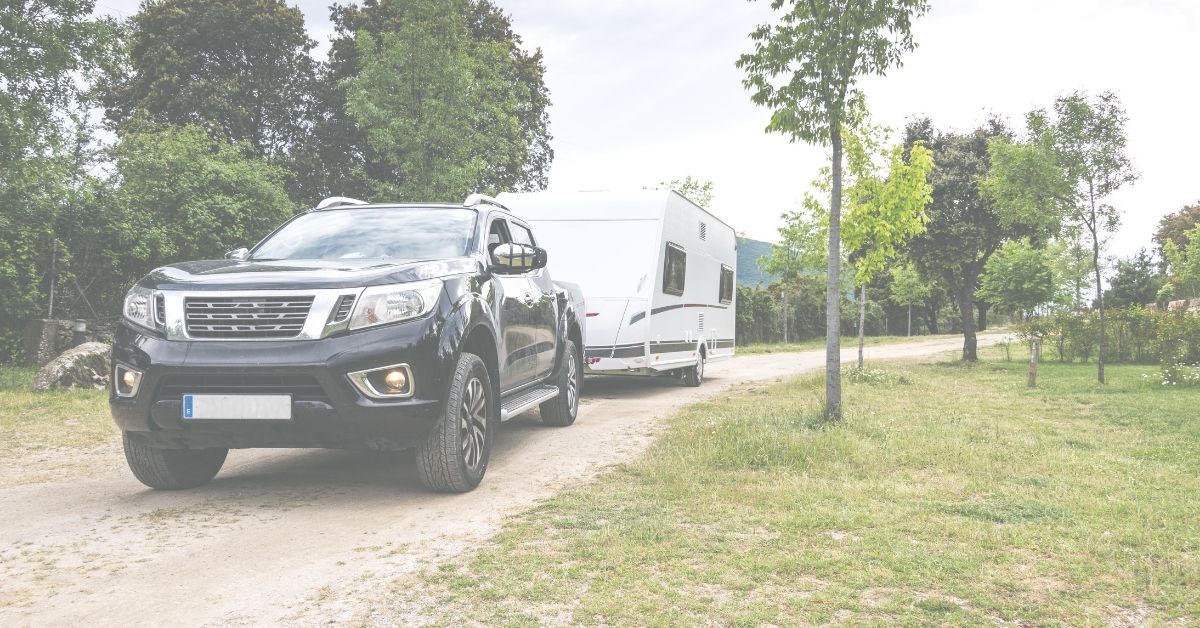
Cover4Caravans’ Guide to buying a tourer
Updated March 2026
Introduction: why buy a touring caravan?
There are many reasons for buying a touring caravan – here are just a few of them:
- perhaps the first reason many people give is the simple freedom of being able to travel to holiday in any place you choose at any time staycations are certainly more popular than ever;
- a tourer gives you the chance to explore and discover different parts of the UK or abroad; it gives you the flexibility of enjoying your holidays in a different place each time – unlike a static caravan or second home;
- you are able to pack up and go at a moment’s notice, with a spontaneous decision – even if it is a day or two just locally;
- because many touring caravan sites are in picturesque locations, you might get to enjoy stunning scenery right on your doorstep;
- there is the chance to meet new people from neighbouring caravans or those on the same campsite;
- it may be a sociable way to take a holiday with a group of friends or family, knowing that you are all able to sit around with a glass or two of wine with your meals, without anyone having to drive home afterwards;
- the Camping and Caravanning Club – and several other associations for touring caravan owners – frequently hold rallies and other events in different parts of country, where you may compare notes, swap stories, and make friends with like-minded souls;
- towing your home away from home with you is typically much cheaper than paying for a hotel or bed and breakfast – allowing you to pursue your interests, hobbies or sports around the country;
- the initial cost of a new or second-hand touring caravan is generally considered to be an affordable investment;
- there is a wide range of different makes, sizes and models to choose from;
- the return on your investment of course depends on how often you use it, but a touring caravan is more or less permanently ready to hitch up to your car to go;
- rates for storing your touring caravan when it is not in use may be considered to be reasonable and affordable – and may give you the peace of mind of it being kept safe and secure; or you may even be able to keep the caravan parked on your own driveway – provided it is not being used for living in and provided your property has no restrictive covenants preventing such a use of your driveway or garden.
The list of reasons is by no means exhaustive and you may have some others of your own. Whether buying for the first time, or even as a seasoned caravanner buying second hand, however, the actual purchase of the trailer that is likely to suit your and your family’s needs may present a bewildering array of possibilities.
For many owners, a touring caravan may also represent a practical way of making more frequent short breaks possible throughout the year, rather than relying on a single longer annual holiday. The flexibility of travelling with your accommodation already prepared may help reduce planning pressures and allow you to explore destinations that might otherwise be less accessible.
Touring caravans may also appeal to those who enjoy outdoor pursuits such as walking, cycling or coastal activities, since equipment can often be transported more easily than when travelling by air or staying in fixed accommodation.
So what make and model is likely to fit the bill? Even when you have homed in on a particular possibility, to what aspects might you pay special attention and consideration? How about the car that you intend to use for towing your tourer – will it be up to the job? And what are some of the most appropriate ways of protecting and looking after your investment?
This Guide will give you some pointers on all of the above, helping you narrow down your choice.
Which tourer?
The good news is that there is a huge range of different tourers from which to choose – the less good news, perhaps, is that it may prove quite bewildering choosing the particular make and model that best suits you and your family’s needs, requirements and interests.
It may also be helpful to think about how you expect your touring habits to develop over time. For example, first-time buyers sometimes choose smaller, lighter caravans that are easier to tow and store, before later moving to larger models as their confidence increases. Considering factors such as storage arrangements, typical journey distances and the number of people likely to travel with you on most trips may help narrow the range of suitable options.
It may seem obvious, but this may be the most important rule to keep in mind – you are looking for the tourer that suits your own purposes. However new, imaginative and tastefully designed is the model you are being shown, there is little point in buying it if it fails to meet you and your family’s hopes and expectations.
So, what are likely to be some of the key considerations in making your choice?
Size
The size of tourer you are likely to need is typically determined by the maximum number of people you expect it to sleep – in other words, the number of berths.
This, in turn, is likely to determine the length of the caravan needed to accommodate that number of people. The length might also determine the level of amenities that may be incorporated, such as toilet facilities.
Layout
As important as the overall length is the way in which the designers have made optimum use of the space. The layout – and sometimes this is more imaginative and ingenious than others – may make all the difference and may even mean that you may be able to shave off a few feet from the overall length.
Weight
The weight of your tourer is likely to be determined by its length and the manufacturer’s choice of construction materials.
Although the weight is going to determine the size and power of the vehicle needed to tow your caravan, bear in mind that this weight might be multiplied several times over if you have packed a lot of kit into it. This is termed the payload allowance and in caravans manufactured since 1999, your caravan’s documentation needs to state the European Standard maximum permissible laden mass (MTPLM).
You may have noticed that some tourers have twin axles rather than the standard single axle. These are likely to be reserved for only the largest caravans which need to support an especially heavy-laden weight. In almost every other instance, however, a single axle is perfectly acceptable and makes handling considerably easier.
When considering payload allowance, it may be sensible to think not only about the equipment you intend to carry at the outset, but also about items you may gradually add over time. Awnings, outdoor furniture, bicycles, leisure batteries and additional gas cylinders, for example, may all increase overall weight.
Ensuring that the fully laden caravan remains within the manufacturer’s limits may help support safer towing and may also be relevant to touring insurance considerations.
Amenities
Principal considerations as far as internal amenities are concerned are likely to focus mainly on the kitchen, shower and loo. The extent to which they are equipped is, of course, largely a matter of taste – and the depth of your pocket – but remember, too, that they all add weight to the trailer you are going to be towing.
Make
The above considerations may already have pointed you in the direction of certain makes and models of tourer. You may already have formed a preference for one manufacturer over another simply through word of mouth or examples you may have seen elsewhere.
When choosing a make, it might be worth reminding yourself once again that the best one is going to be the one that is most appropriate to the individual needs and expectations of you and your family.
Testing
Given the relatively long list of considerations that may go into choosing your touring caravan, it may be a good idea to try to test drive a few models and persuade the vendors to let you take a weekend break or two in any of those you are thinking of buying.
Things to check when looking at a caravan
Things you might want to check when looking at any caravan you are thinking of buying are likely to depend on whether it is new or second hand – if it is new, the list may be somewhat shorter or the inspection rather less rigorous than if you are buying second hand.
Caravan Talk has published a helpful checklist for those about to buy a caravan and the points raised may be useful whether you are buying new or second hand:
Siting
- ask to look at it in static mode, set up on site just as you might find it pitched during your holiday;
Documentation
- check the documentation that comes with it – including proof of ownership or the vendor’s authority to sell;
- where possible, you may also wish to confirm whether any outstanding finance is secured against the caravan before completing a purchase. A reputable dealer is typically able to assist with these checks, but private buyers may wish to obtain confirmation independently. Taking time to verify ownership details and service history may help reduce the risk of unexpected issues after purchase;
- check the age of the caravan against that declared in any documentation provided by the Central Registration and Identification Scheme (CRiS), the national register for caravan owners, together with any plates or other coding that might indicate the year of manufacture;
- the more documentation you can be shown about the caravan’s history the better. The original handbook and service log, for example, may give a fair clue to it having been looked after by any previous owners;
External
- when making your external inspection, you are likely to be looking for scratches, bents and other broken surfaces;
- it is also worth taking a close look at all the sealants, taking into account that oil-based sealants may be expected to last 5 years, acrylic 10 years and silicone-based sealants 20 years;
- outside fittings, such as windows, handles, wheels, lights, towing hitch and electrical connections, also need to be inspected carefully;
- the tyres – what are their condition and how old are they?
Chassis and towing gear
- these may prove expensive features to repair, so it repays to check the chassis especially carefully for any signs of corrosion or buckling – bearing in mind that over-enthusiastic use of under-seal might be hiding problems;
- make sure that the hitch moves freely and that the jockey wheel moves freely up and down;
- test the handbrake to make sure that it works effectively;
Internal
- on the inside, the principal enemy is likely to be damp in the walls and floor;
- this is the first stage of a rot that may eventually lead to the structure simply falling apart;
- a tell-tale sign is a pervading smell that may mask a host of potential health hazards;
Doors and windows
- just as you did on the outside, check doors and windows are watertight, their hinges are secure and that they open, close and lock properly;
- check any roof vents from the inside and pay attention to any problems causing condensation to form on the inner surfaces of double-glazed windows;
Gas and electrics
- appliances and supply lines need to be thoroughly checked in order to prevent potentially fatal fires or gassing of occupants in future; and
Equipment
- finally, check all of the fitted equipment, including any fires, water heaters, fridges, cookers and microwaves.
Matching your caravan to your car
Now that you might have your heart firmly set on a particular caravan, you need to match the caravan to your car (or the one you intend to buy) to ensure it is up to the job of towing it. You also need to take into account the rather complicated rules about the weight of the trailer you may tow on your current driving licence.
Your driving licence
The rules are set out on the official government website here.
The caravan and car combination
The RAC has a useful guide to working out towing capacity.
Having settled on the appropriate balance between caravan and towing vehicle, you might also want to ensure that you have fitted to your car the appropriate mirrors to enable you to negotiate all of the hazards you are likely to encounter.
In addition to checking towing capacity, some owners also find it helpful to review the vehicle’s nose-weight limit and the recommended loading distribution within the caravan. Ensuring that heavier items are positioned appropriately may improve towing stability and comfort on longer journeys. If you are unsure about suitability, specialist advice from a dealer or qualified towing professional may be worthwhile.
You can read our helpful guide on towing mirrors for more information.
Protecting your caravan
Having found the caravan to satisfy your dreams, matched the car to tow it, spent a fair amount of time and effort to buy it – not to mention the cost of your investment – you probably want to make sure that you are able to protect it the best that you are able.
On this score, one of the most effective means of protection is likely to be tourer insurance.
It might be tempting to think, for example, that the motor insurance you have already arranged for your car is going to cover the risk of loss or damage to any caravan the car is towing.
In reality, your motor insurance is likely to extend only to third party damage caused by your caravan and not to the caravan itself. For the latter, you are likely to need purpose-designed touring caravan insurance. It tends to be a specialist form of insurance about which you might want to consult specialist providers – such as ourselves at Cover4Caravans.
Depending on the level of cover selected, touring caravan insurance policies may also include protection against risks such as storm damage, accidental damage, fire, or loss of contents, although the precise scope of protection varies between providers and policies. It may therefore be helpful to review policy documentation carefully to ensure that the level of cover reflects how and where your caravan is used throughout the year.
Touring caravans are a special form of insurance risk not only because of the potential for damage to the trailer itself, but also because of the risk of theft of such a mobile piece of property and because of the risk of theft of its contents. Both risks may be covered by the appropriate form of insurance.
Although insurance may be in place, there are still measures you may take to mitigate the risks of loss or damage.
Many insurers, for example, may insist that whenever the caravan is left unattended that a hitchlock is used (if it is still hitched to the towing vehicle) or wheel clamps fitted (if it is not).
Other sensible precautions include paying careful attention to such obvious weak points as windows and doors, by ensuring that they are properly secured when you are away from your caravan for even a short period of time.
For further information, read our Guide to Caravan Storage and Security.
An increasingly widely used security measure is the installation within your caravan of a tracking device. It is purposely unobtrusive and typically hidden within the structure of your caravan, but constantly reports its whereabouts to a central control room – an invaluable service if ever the caravan might be stolen.
Simple routine precautions may also support the security of your caravan when it is not in use. For example, removing portable valuables, checking that alarms are functioning correctly and keeping a record of identifying features or photographs may assist recovery if theft occurs. Some insurers may recognise additional security features when assessing risk, although any requirements are likely to vary between individual policies.
When storing your caravan, note that we will provide up to 20% off the cost of your cover if your tourer is stored at a CaSSOA-approved site.
Summary
While this is only a brief guide to the considerations you need to make when buying a tourer, we hope it has helped given you some food for thought. Don’t forget to check the rest of our website for further hints and tips.
Caravan news to kick off the season – Danny Dyer’s new TV show, record sales, investments in Cheshire, and more

Caravanning times are with us once again and, to kick off the new season, here are some of the latest caravan news stories …
Danny and Dani Dyer speak about reviving caravan park for new TV show
Actor and TV personality Danny Dyer and his daughter Dani make no bones about their nostalgia and love for the traditional British summer caravan holiday.
A feature in an edition of the Independent newspaper on the 17th of February described the pair’s new TV show airing on Sky One. Called The Dyers’ Caravan Park, the show recreates some of the lost pleasures of those earlier times when kids ran freely, safe, and wild while the extended family of Mums, Dads, Grandparents, Aunts, Uncles, and cousins socialised.
The Dyers’ Caravan Park is, in fact, Priory Hill Holiday Park in Leysdown, Kent. So, there are real caravans for Danny and Dani to clean and real children to entertain while they are there on holiday with their parents. It’s a real-time attempt to recreate Dad Danny’s nostalgia for the holidays he spent as a child with his extended family on Canvey Island, Essex – in what he calls “a very working-class holiday”.
The launch of the six-part mini-series follows on from our earlier news story on the same subject.
Caravan sales forecast record year as Salop Leisure reports strong start to 2026
Caravan retailer, Salop Leisure, has reported bumper sales thanks to a 12% increase in leads generated at the recent Caravan, Motorhome and Holiday Show in Manchester, according to the a recent article. This translated into an 11% increase in sales of motorhomes and caravans in January compared to the same month in 2025.
The show itself also saw a growing demand for caravans, motorhomes, and the outdoor life, following a 15% increase in entrance ticket sales compared to last year, and 9% of visitors saying they intended to make a purchase.
The same caravan and motorhome retailer also attended the recent Holiday and Residential Parks Association conference for 2026. This, too, proved a forum for good news, with members said to be confident in an industry where investments in accommodation and facilities continue apace.
Investment underway at Cheshire campsite after ownership change
A new look is coming with a change of ownership and the renaming of what was formerly Fishpool Farm Caravan Park and is now Fishpool Holiday Park, according to Practical Caravan on the 13th of February.
Located near the Cheshire village of Tarporley, the five acres of Fishpool Holiday Park are the ideal base from which to explore the nearby Delamere Forest, where you can walk or cycle to your heart’s content, or venture into the city of Chester just 10 miles away.
Until the park’s grand re-opening at the end of April, infrastructure works are in progress as changes are made through enhanced groundworks, landscaping, and drainage. Charging points will also be installed for the fast and convenient recharging of EV tow cars.
Bookings are already being taken for the newly installed luxury lodges and static caravans, together with pitches for touring caravans and motorhomes.
Tourism levy raises concerns over impact on domestic tourism
The industry mouthpiece Caravan Industry and Park Operator on the 16th of February raised concerns at recent government discussions about introducing a tourism tax.
The posting echoed a warning from the Holiday and Residential Parks Association (HARPA) that any such levy would affect British families already struggling to make ends meet.
The clamour in opposition to the plans comes at the end of the official consultation process. If the government presses ahead, local authorities would be given the power to enforce the proposed tourism taxes.
Caravan security tips for the new season

As a new caravanning season gets underway, many owners are preparing to make the most of time away. Alongside planning trips and checking your caravan is road-ready, it’s sensible to review your security arrangements so your home from home stays protected.
Make life difficult for would-be thieves
You and your caravan insurer can work together to make life difficult for any potential thieves – that means paying attention to good quality locks and anti-theft devices you can afford. Your insurer may offer a reduced premium (subject to underwriting criteria and policy terms). Also, you should note that:
- one of the most common insurance conditions, for example, is to insist on both wheel clamps and a hitchlock whenever you are stopped with the caravan still hooked up to the towing vehicle – this video includes a discussion on the merits of immobilising your caravan;
- these are among the key security and immobilisation devices we mention in our Guide to Caravan Storage and Security;
- if your caravan is stored for any length of time at home, you might want to invest in a security post or ground anchors that keep your trailer firmly fixed in place;
- the door and windows come with individual locks already installed, of course, but you might want to upgrade these with reinforced locks and deadbolts – so, making it much more difficult for potential intruders.
Whatever security devices and equipment you choose to install, it is worth regularly checking that they remain in good working order – especially after any prolonged storage.
Smart systems
Modern technology plays its part in helping to keep your caravan secure. Smart technology is constantly being developed, resulting in ever more sophisticated alarms and sensors that raise the alarm when thieves and intruders are about.
These include:
- motion detectors that sense intruders;
- door and window triggers;
- tilt detectors that also help to alert you to intruders.
Tracking
If yours is a relatively new caravan, it may already come with a Thatcham-approved tracking system – and if it is not included automatically, you might want to fit a tracker yourself.
Thatcham systems – typically graded Category S7 or S5 – are designed to provide 24-hour monitoring, theft alerts, and real-time location via GPS, GSM, or motion-detection systems. (Monitoring is subject to subscription and signal availability.)
Even a basic – now probably old-fashioned – security camera may provide valuable information and a record of suspicious activity.
Further reading: Security devices for your caravan.
Storage
Come the autumn – or if you’re not planning to use your caravan this season – it will go into storage. And that is when any touring caravan may be at its most vulnerable.
If it’s out of sight, thieves and other intruders may have increased opportunity to do their worst. And those security concerns are only marginally less acute if the caravan is sitting on the driveway outside your house.
That’s why some insurers may recommend that you store your caravan at a CaSSOA-approved site that has extra protection and security controls. The Caravan Storage Site Owners’ Association (CaSSOA) offers four levels of security (ungraded, silver, gold, and platinum) – and here at Cover4Caravans we offer discounts according to the level of security you choose, subject to underwriting criteria and policy terms.
Insurance
If you’re reviewing your cover for the season ahead, you might want to draw on our experience here at Cover4Caravans and request a touring insurance quote online or speak to one of our UK-based team on 01702 606301.